
News and Features
-
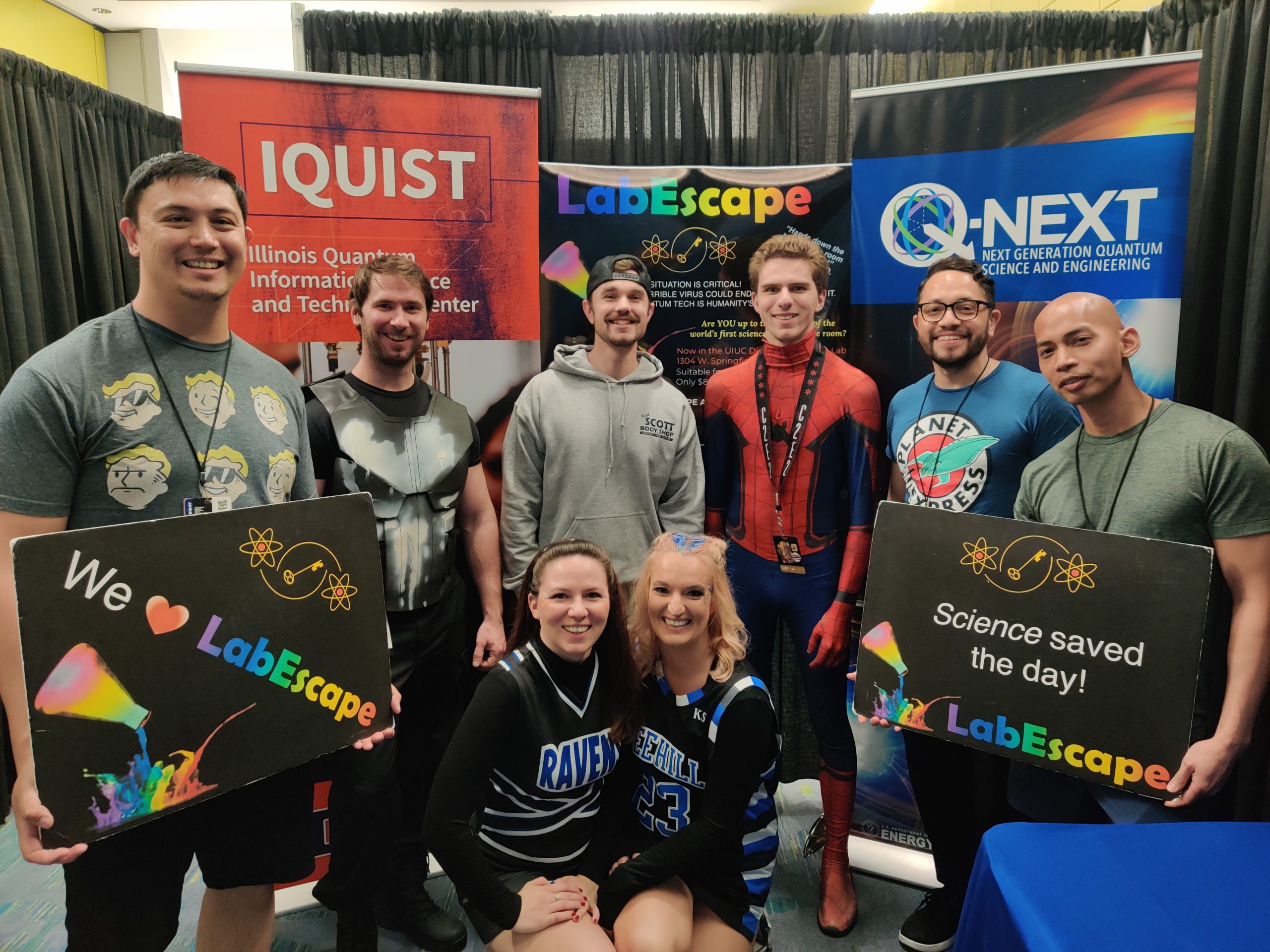
Quantum-themed LabEscape escape room a hit at the Chicago Comic & Entertainment Expo
The Q-NEXT quantum center brings the world’s only science-themed escape room to the Chicago Comic & Entertainment Expo, exposing hundreds of entertainment aficionados to the joys of science through puzzlement and play. Read More
-
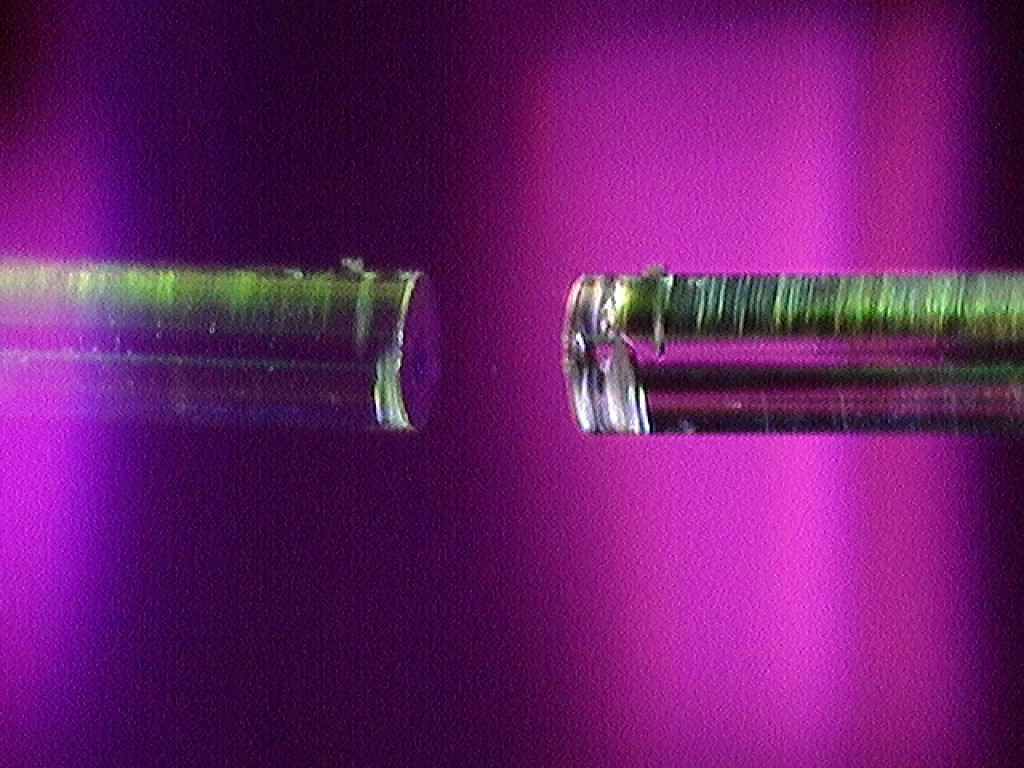
UW–Madison scientists develop most sensitive way to observe single molecules
From the University of Wisconsin–Madison: A research team at the University of Wisconsin–Madison led by Q-NEXT collaborator Randall Goldsmith has developed the most sensitive method yet for detecting and profiling a single molecule — unlocking a new tool that holds potential for better understanding how the building blocks of matter interact with each other. The new method could have implications for pursuits as varied as drug discovery and the development of advanced materials. Read More
-
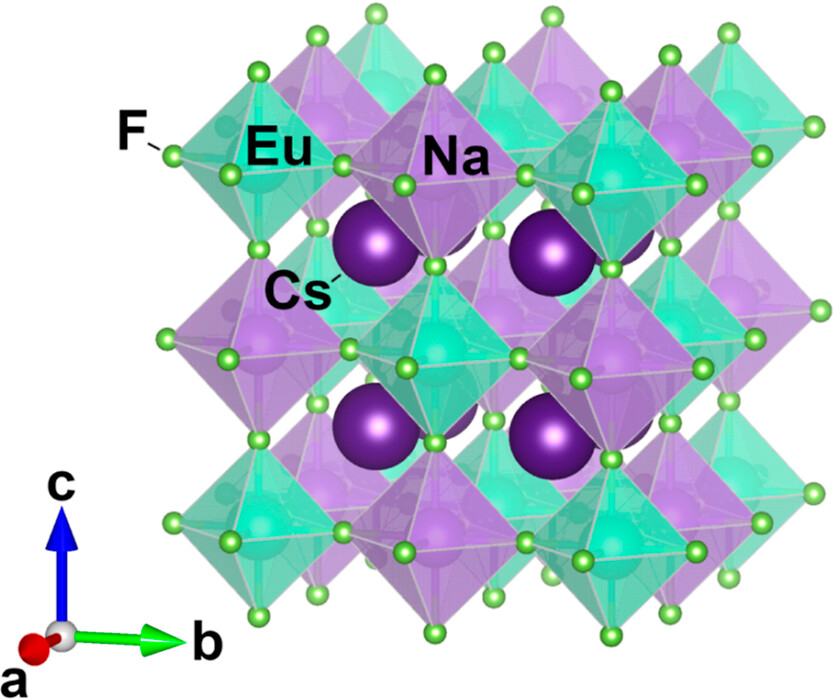
Design rules and synthesis of quantum memory candidates
From the University of Illinois Urbana-Champaign: Researchers use density functional theory calculations to identify possible europium compounds to serve as a new quantum memory platform. They also synthesize one of the predicted compounds, a brand new, air-stable material that is a strong candidate for use in quantum memory Read More
-
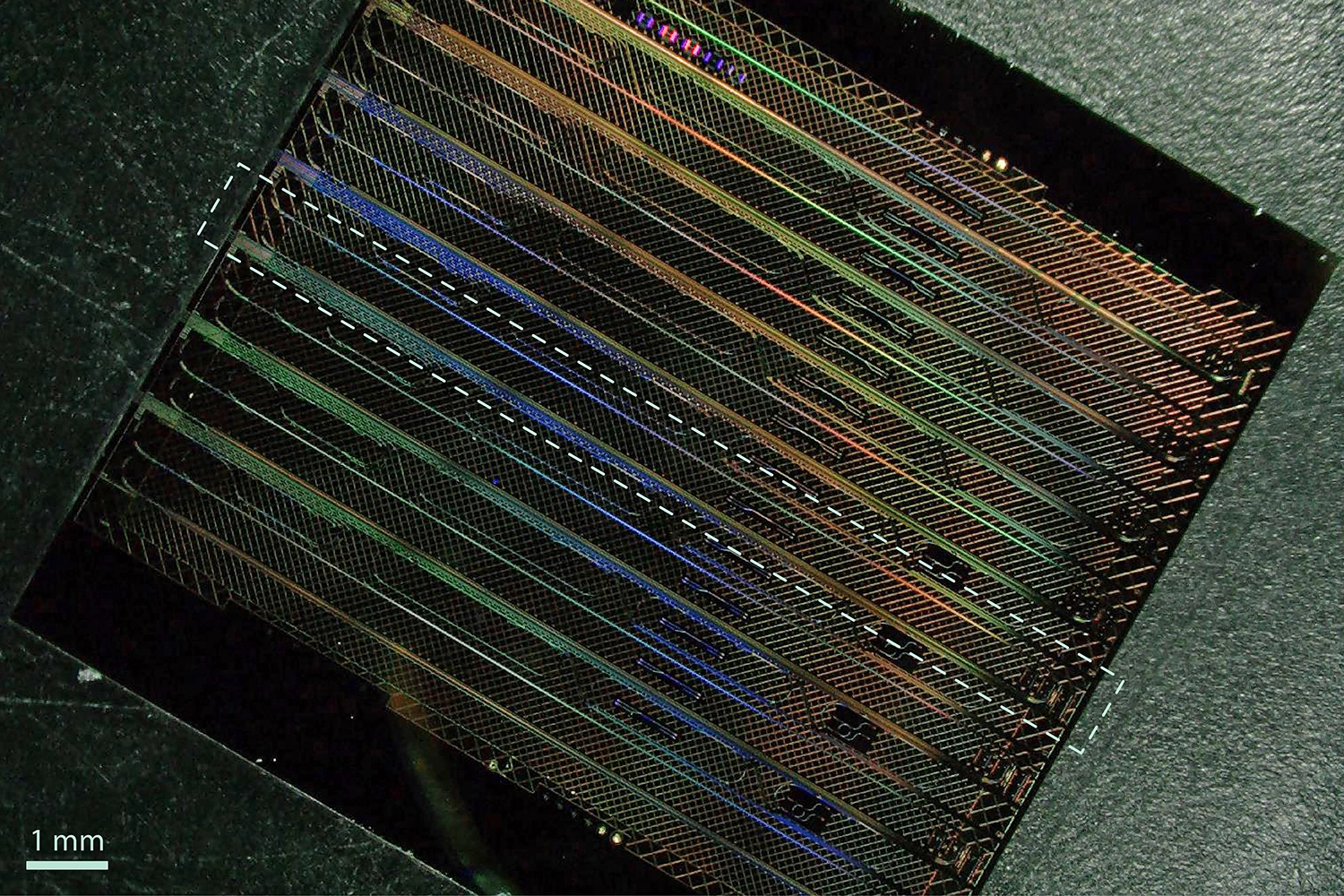
‘Ruler for light’ could enable detailed measurement in personal devices
Frequency combs have revolutionized precision measurement, but the bulky, power-hungry devices are limited to lab settings. A new efficient laser “microcomb” developed by Stanford researchers could bring that revolution to the handheld electronics realm. Read More
-
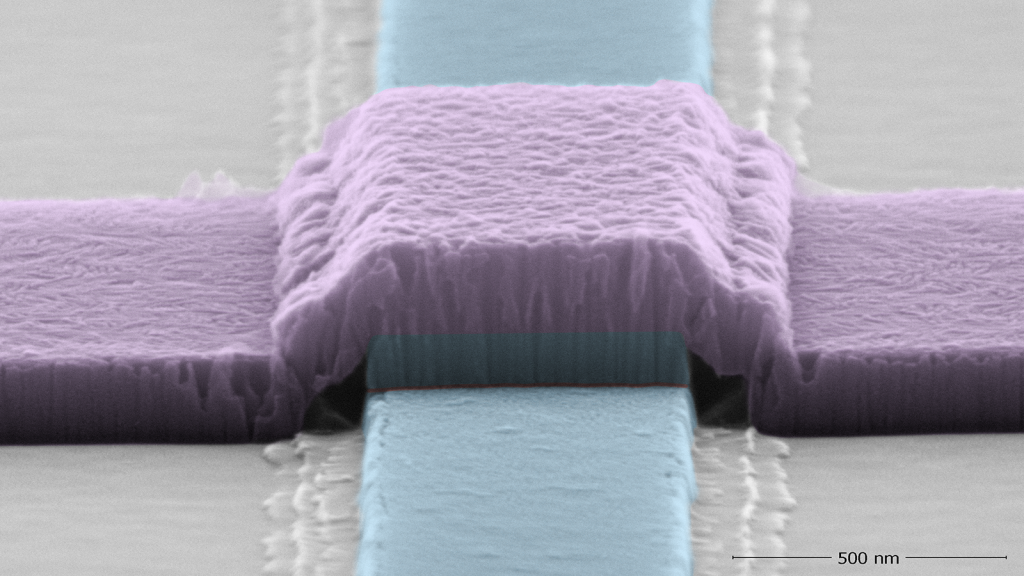
Resurrecting niobium for quantum science
For years, niobium was considered an underperformer when it came to superconducting qubits. Now scientists supported by Q-NEXT have found a way to engineer a high-performing niobium-based qubit and so take advantage of niobium’s superior qualities. Read More
-
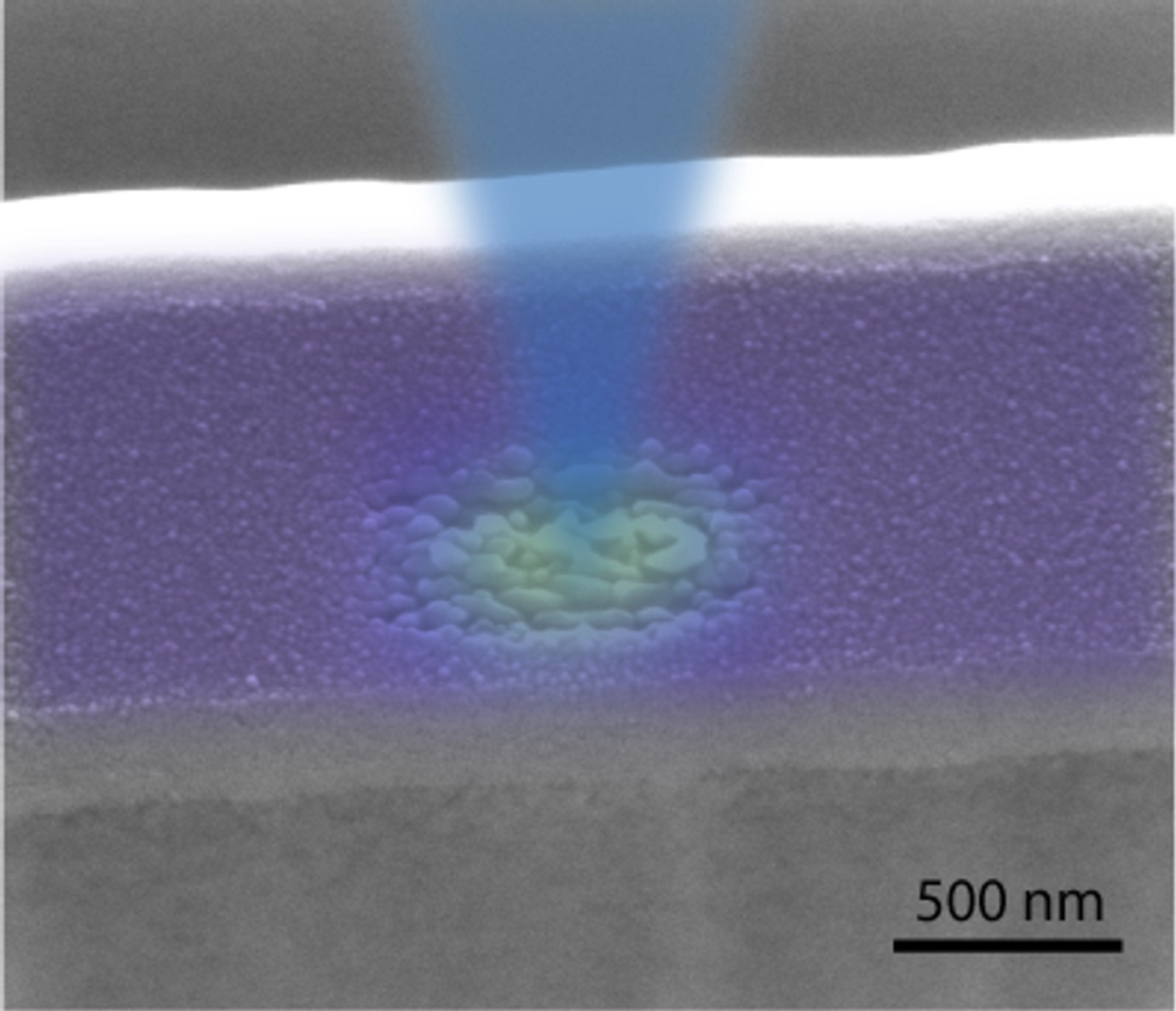
Researchers from startups, government labs and academia develop new techniques for making qubits out of erbium
Argonne project addresses quantum technology challenges and highlight sthe versatility of a rare-earth metal used in lasers and to color glass. Read More
-

Meet Edward Schmitt, facilities engineer
Former Marine Corps electronics technician Edward Schmitt keeps the Argonne Quantum Foundry running while advocating for veterans. Read More
-
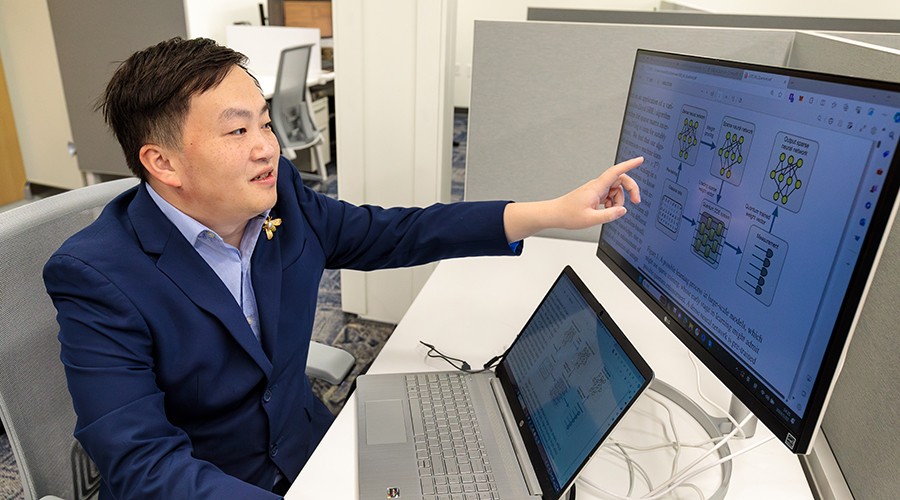
New research unites quantum engineering and artificial intelligence
A team of researchers at Argonne National Laboratory, University of Chicago and other institutions shows how incorporating quantum computing into the classical machine-learning process can potentially help make machine learning more sustainable and efficient. Read More
-

Chloe Washabaugh creates designer molecules for the quantum future
Q-NEXT collaborator and UChicago grad student Chloe Washabaugh creates high-performance qubits from designer molecules. Not only is she expanding the applications of quantum devices, but she’s also working to attract a diverse audience to quantum. Read More
-
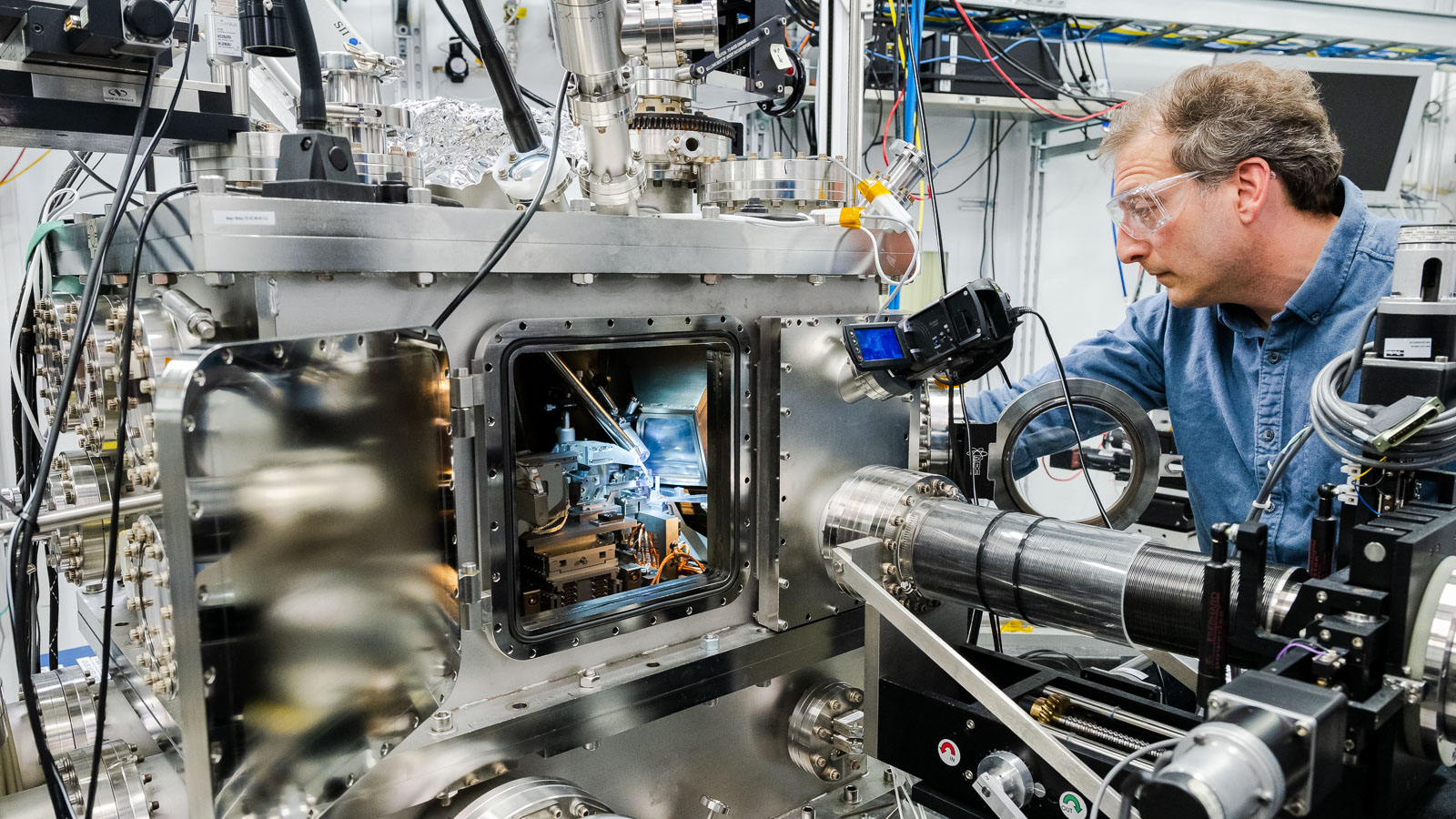
Argonne, Sandia scientists create qubits using precision tools of nanotechnology
Scientists leverage nanoscale-research facilities to conduct pioneering precision studies of qubits in silicon carbide, leading to a better understanding of quantum devices and higher performance. Read More
In the News
See all In the News-
Uncovering the hidden disorder in silicon quantum computers
From the U.S. Department of Energy: Q-NEXT researchers map the variation in materials to the atom level to scale up silicon qubits Read More
-
Neutral atom computers: the physics of Rydberg quantum gates | Mark Saffman
From 632nm: Mark Saffman, professor at the University of Wisconsin–Madison and chief scientist at Infleqtion, discusses the physics of optical tweezers and Rydberg gates, how neutral atoms perform quantum logic and create entanglement, and why this platform offers advantages in connectivity and scalability. Read More
-
Prof. Giulia Galli appointed CNRS Fellow-Ambassador
From the University of Chicago: With the appointment, Galli joins a prestigious cohort of leading figures from the world’s scientific community. Read More
-
Tuning into quantum sounds
From Caltech: Researchers at Caltech and Stanford University, including Stanford's Amir Safavi-Naeini, create tiny vibrating devices that can naturally display quantum behavior without needing an external quantum circuit. By harnessing microscopic defects already present in the material, the team achieved single-phonon nonlinear effects that could enable simpler quantum sensors capable of detecting and studying individual molecules with extraordinary sensitivity. Read More
-
Illinois touts growing quantum workforce as state shows industry leadership
From NPR Illinois: Q-NEXT Workforce Development Lead Emily Easton discusses the growing quantum education and workforce ecosystem in Illinois. Read More