
News and Features
-
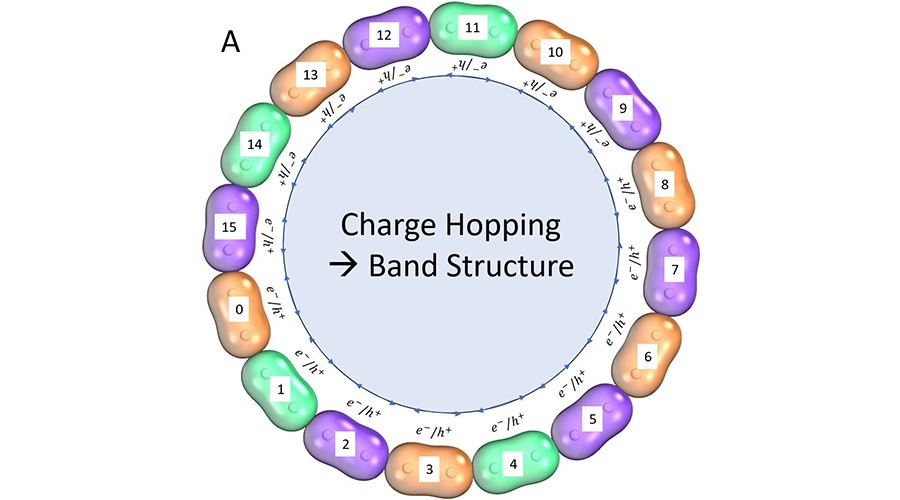
New quantum chemistry method to unlock secrets of advanced materials
A method developed by University of Chicago researchers could help explain how transport properties emerge from quantum effects in materials such as solar cells and superconductors. Read More
-
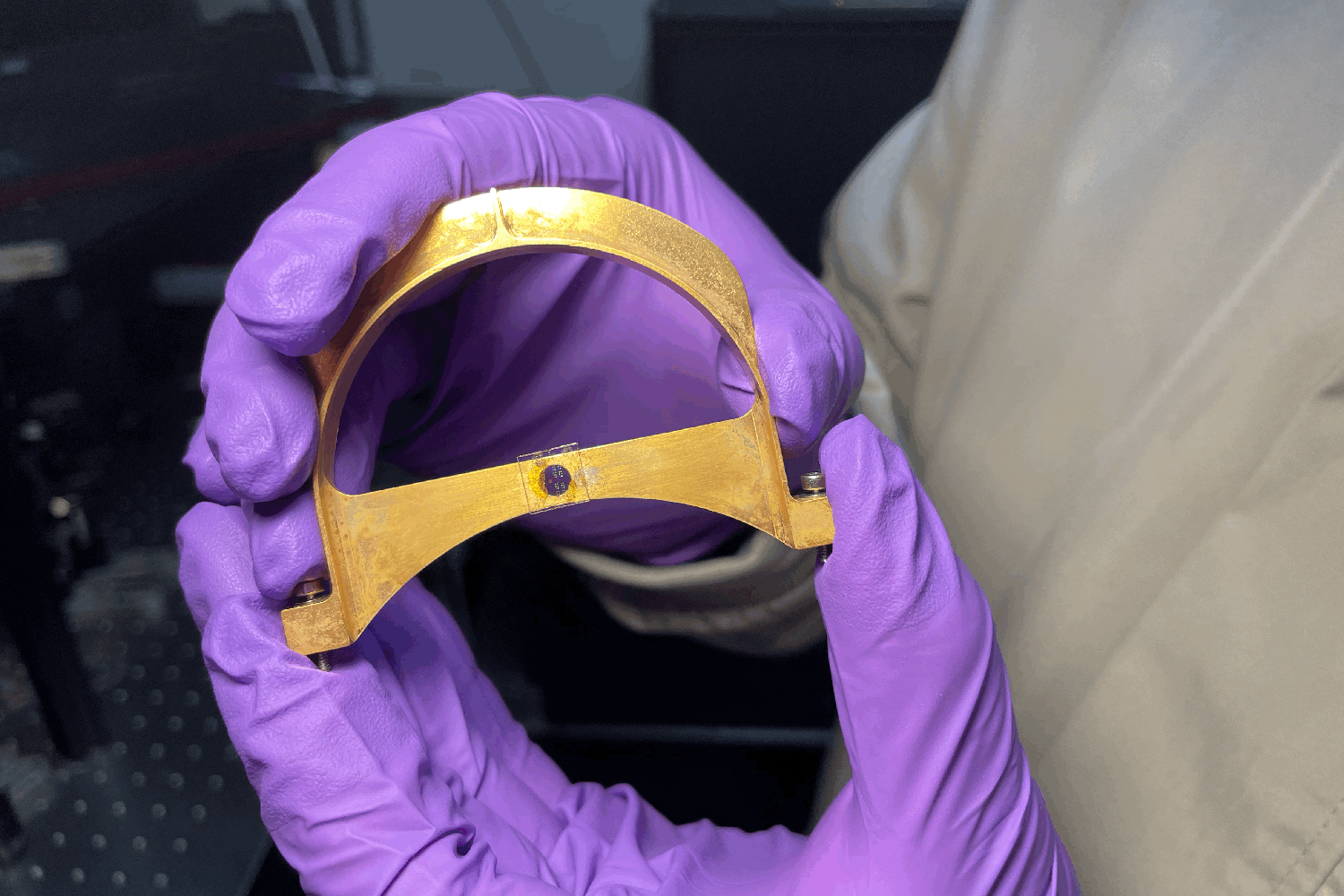
Scientists achieve breakthrough on quantum signaling
A tiny device that entangles light and electrons without super-cooling could revolutionize quantum tech in cryptography, computing, and AI. Read More
-
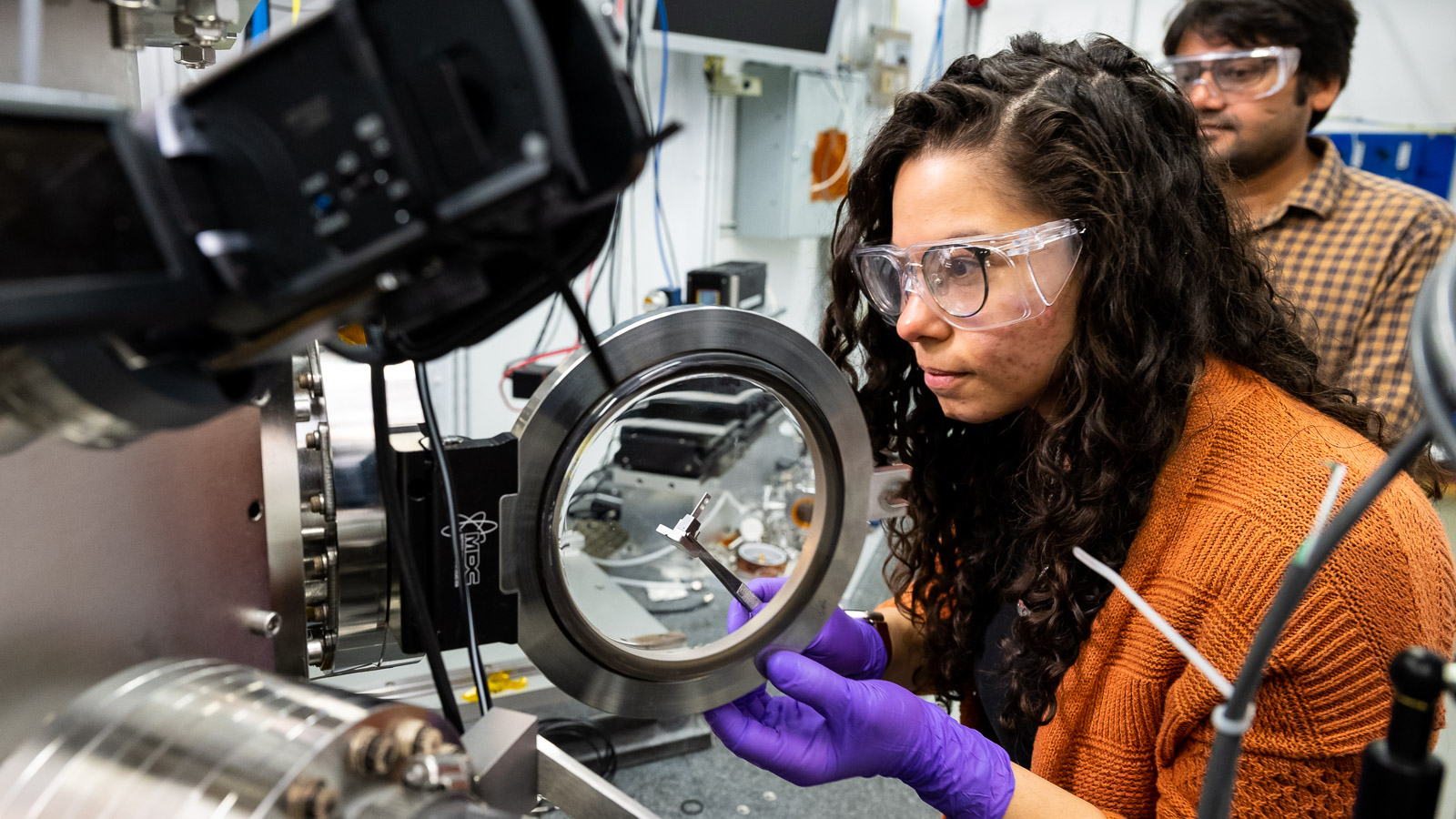
Quantum research centers led by Argonne and Fermilab renewed for five years
From the University of Chicago: UChicago-affiliated laboratories each receive $125 million to advance next-generation quantum science and technology Read More
-
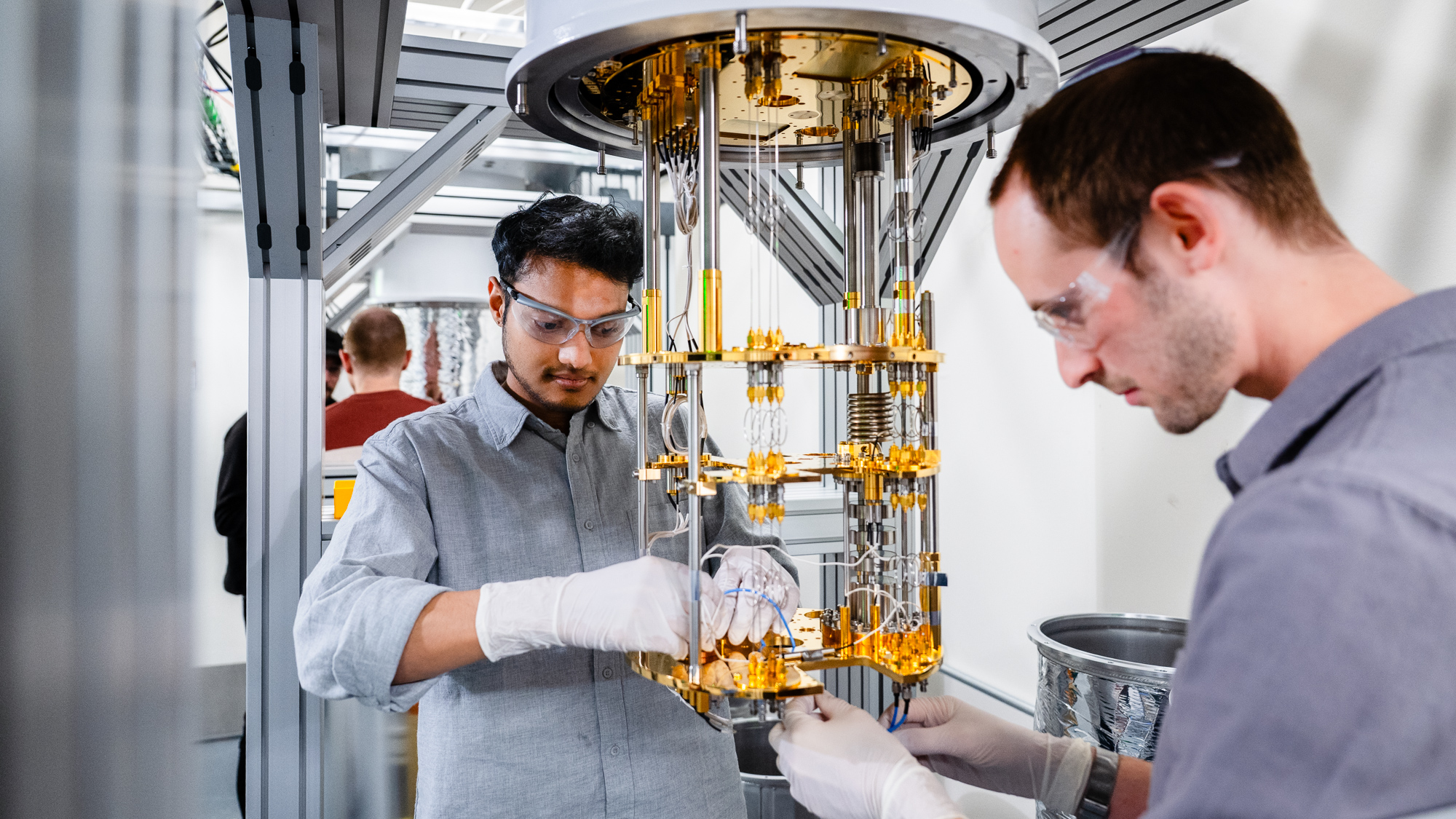
Argonne-led Q-NEXT quantum center renewed for five years
Q-NEXT has received $125 million over five years to build the capabilities for interconnecting quantum technologies over small and large distances. Read More
-
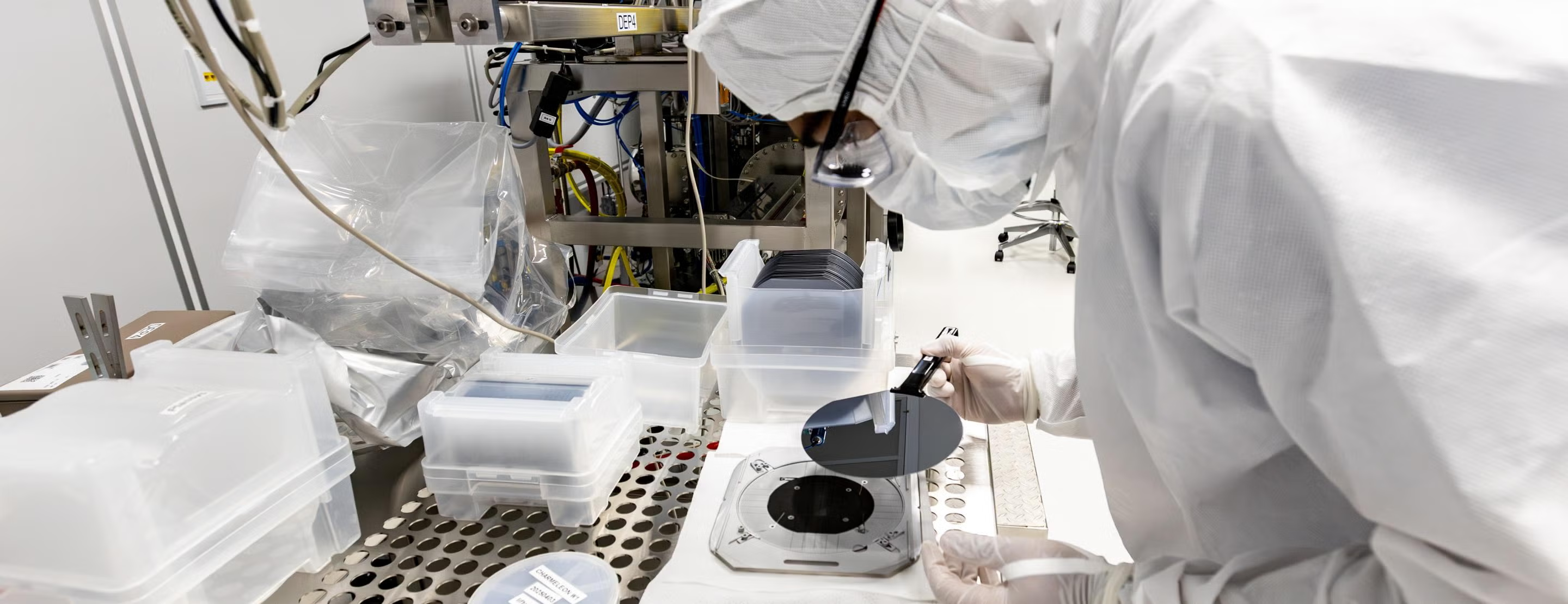
Q-NEXT quantum center renewed for five years
SLAC and Stanford partner with Argonne National Laboratory and others toward a quantum-interconnected world. Read More
-
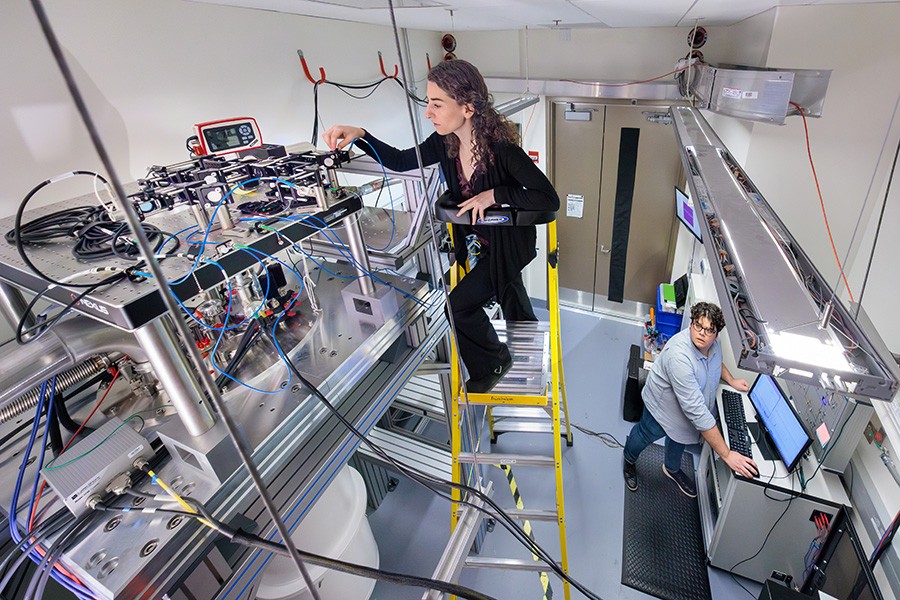
Researchers develop molecular qubits that communicate at telecom frequencies
The unique qubits also connect light and magnetism at the quantum level, which makes them powerful potential building blocks for quantum technologies Read More
-
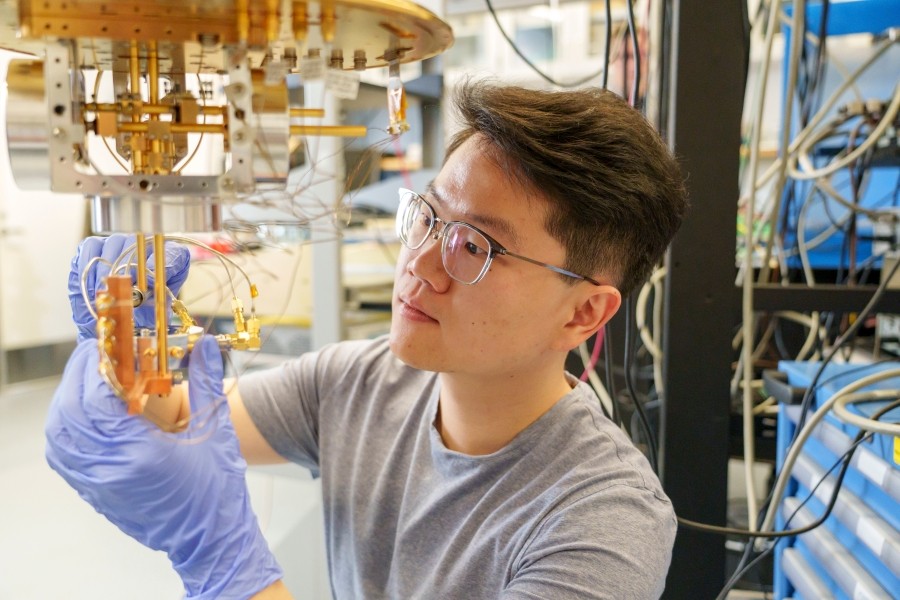
Tomorrow’s quantum computers could use sound, not light
New research at the University of Chicago has achieved deterministic phase control of the sound “particles” known as phonons, presenting a major advantage over photon-based quantum systems. Read More
-
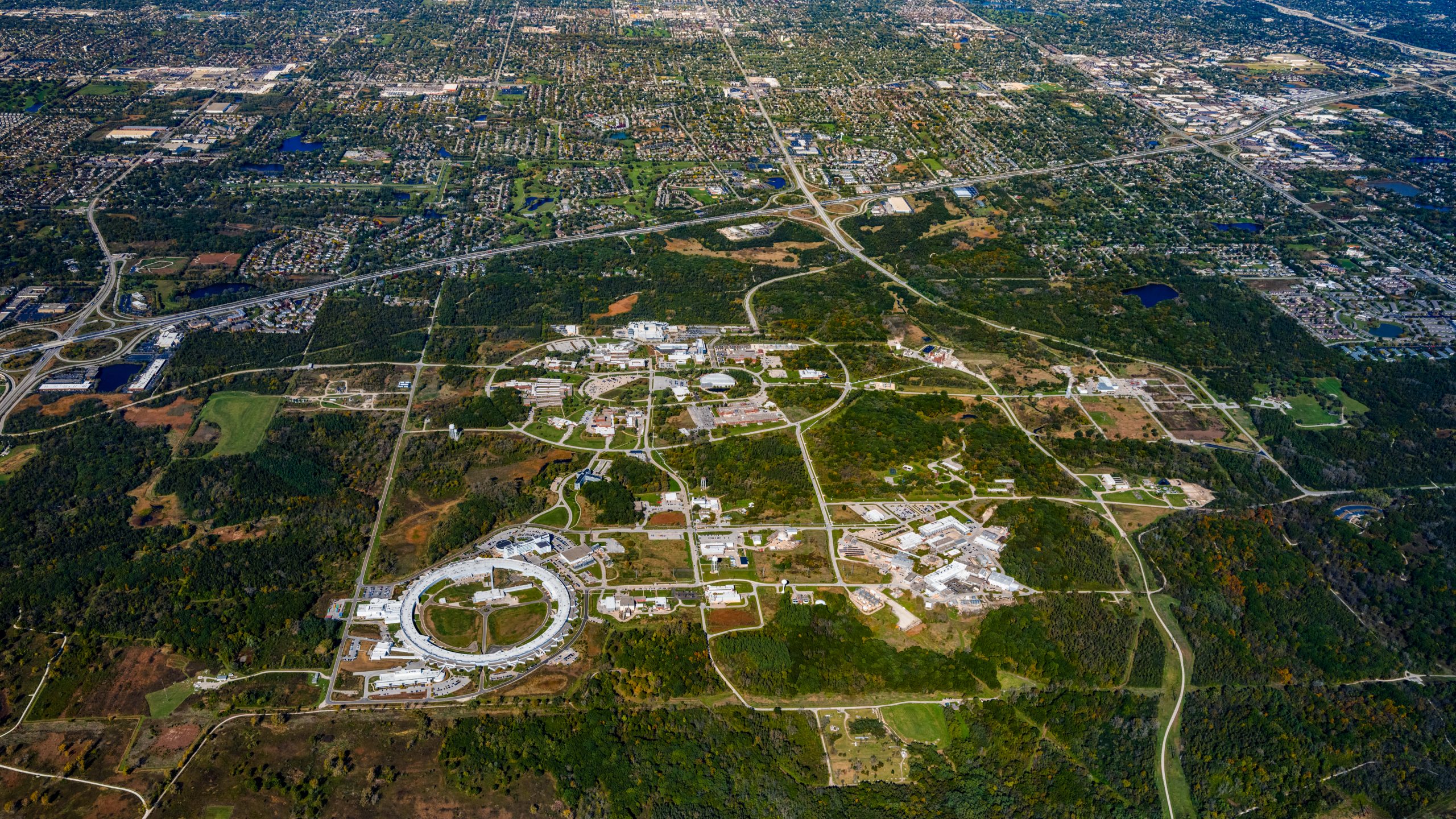
How Argonne is helping to expand the Quantum Prairie
Argonne is an integral part of a growing network of research institutions, companies and nonprofits dedicated to expanding quantum information science. Read More
-
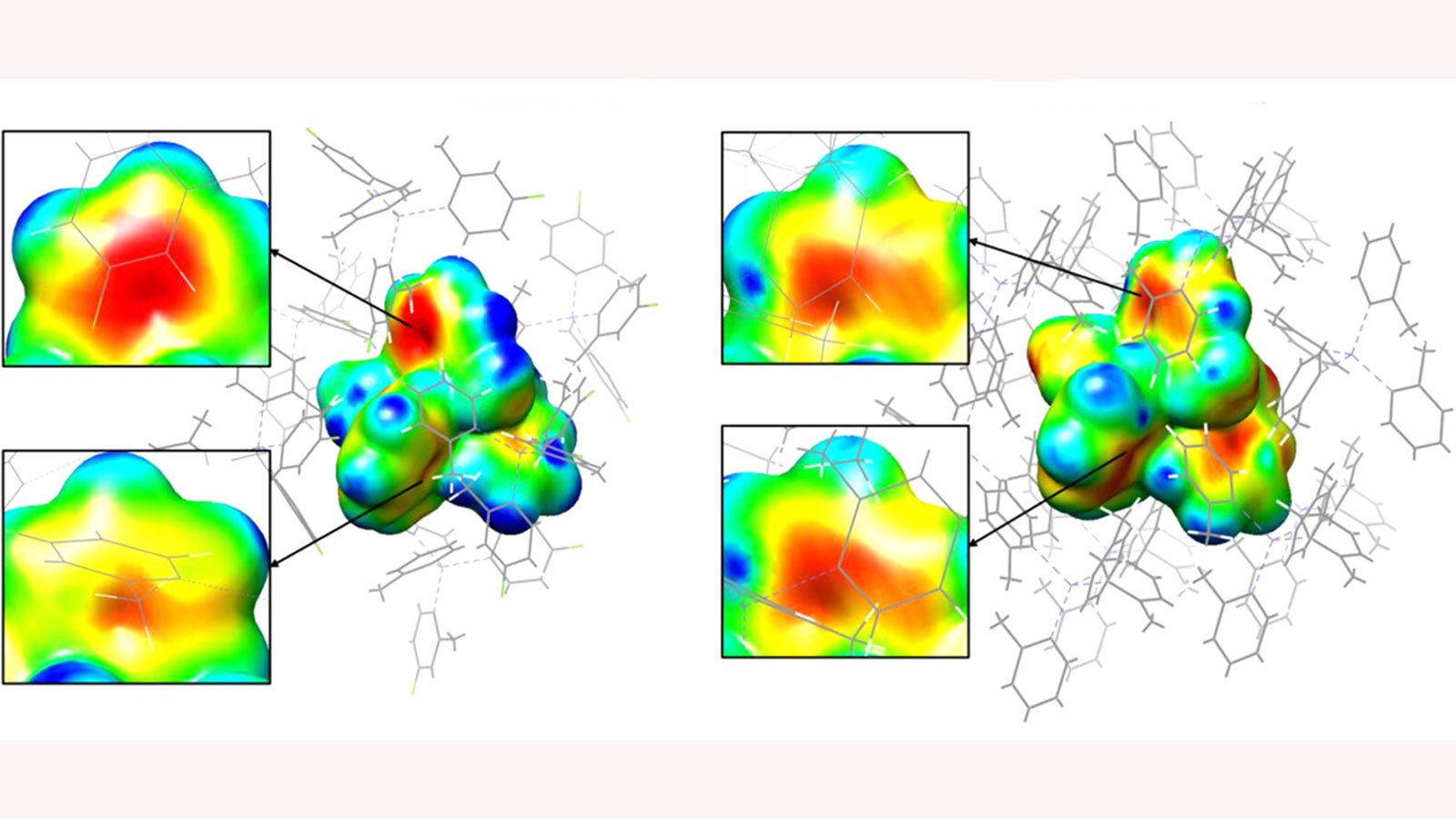
Advanced computer modeling predicts molecular-qubit performance
Scientists develop a computational method to design chromium-based molecular qubits with precision, paving the way for advanced quantum technologies. Read More
-
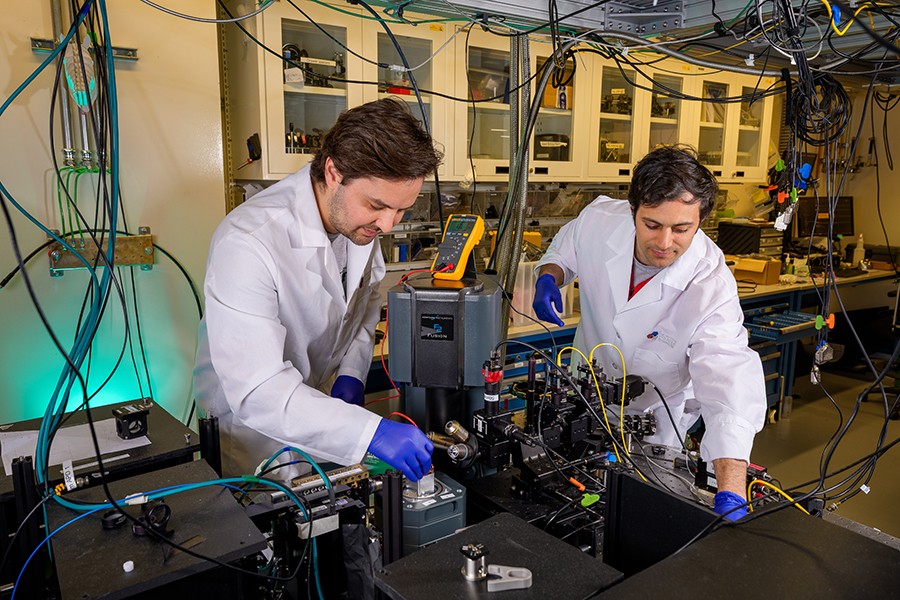
Scientists program cells to create biological qubit in multidisciplinary breakthrough
From the University of Chicago: Researchers have designed protein qubits that can be produced by cells naturally, opening possibilities for precision measurements of tissues, single cells, or even individual molecules. Read More
In the News
See all In the News-
Uncovering the hidden disorder in silicon quantum computers
From the U.S. Department of Energy: Q-NEXT researchers map the variation in materials to the atom level to scale up silicon qubits Read More
-
Neutral atom computers: the physics of Rydberg quantum gates | Mark Saffman
From 632nm: Mark Saffman, professor at the University of Wisconsin–Madison and chief scientist at Infleqtion, discusses the physics of optical tweezers and Rydberg gates, how neutral atoms perform quantum logic and create entanglement, and why this platform offers advantages in connectivity and scalability. Read More
-
Prof. Giulia Galli appointed CNRS Fellow-Ambassador
From the University of Chicago: With the appointment, Galli joins a prestigious cohort of leading figures from the world’s scientific community. Read More
-
Tuning into quantum sounds
From Caltech: Researchers at Caltech and Stanford University, including Stanford's Amir Safavi-Naeini, create tiny vibrating devices that can naturally display quantum behavior without needing an external quantum circuit. By harnessing microscopic defects already present in the material, the team achieved single-phonon nonlinear effects that could enable simpler quantum sensors capable of detecting and studying individual molecules with extraordinary sensitivity. Read More
-
Illinois touts growing quantum workforce as state shows industry leadership
From NPR Illinois: Q-NEXT Workforce Development Lead Emily Easton discusses the growing quantum education and workforce ecosystem in Illinois. Read More