Q-NEXT Updates
-

Five years of next-generation quantum research at Q-NEXT
As Q-NEXT approaches its five-year anniversary, we capture a dozen of the collaboration's many outstanding research results. In quantum materials, communication, sensing and computing, Q-NEXT is advancing technologies that are expected to change how we exchange information. Read More
-

Advancing quantum systems through Q-NEXT’s Materials and Integration thrust
By linking researchers across the breadth of Q-NEXT research, M&I team members work on the processing, understanding and integration of qubits and quantum devices. This work brings closer to reality the future vision of truly hybrid quantum information systems that have an impact and performance superior to anything that could be achieved in isolation. Read More
-

Crossdisciplinary collaboration in quantum simulation
by Eric Chitambar The Simulations and Systems Thrust is helping Q-NEXT to advance our understanding of complex physical systems and to identify important new applications for quantum information hardware. The simulation work of this thrust focuses in two complementary directions. The first studies how quantum… Read More
-
Share your Q-NEXT successes with us
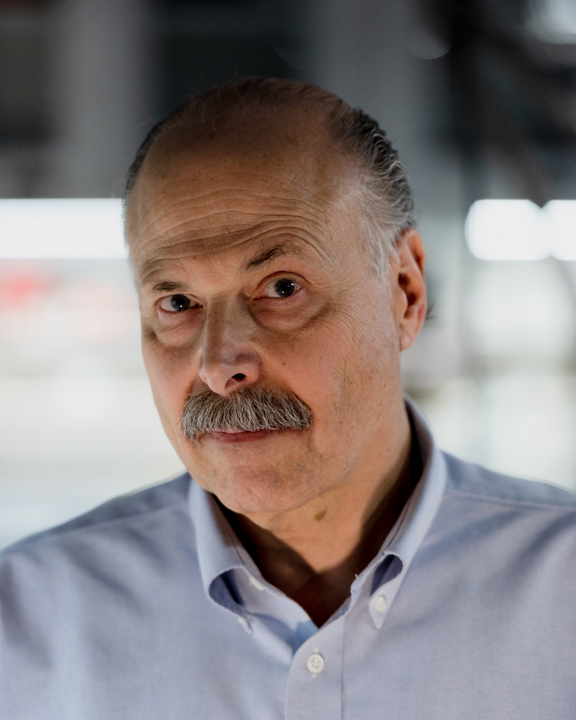
by David Awschalom Our first three years at Q-NEXT have been tremendously productive. The collaboration has commissioned new quantum foundries at Argonne and SLAC, reported over 120 Q-NEXT supported results, including a Roadmap for Quantum Interconnects, filed multiple patents and software copyrights, and contributed… Read More
-

Advancing science, collaboration, and the quantum workforce at Q-NEXT
In late May, Jennifer Dionne stepped into the role of Q-NEXT deputy director. She looks forward to growing the research infrastructure needed to make large-scale quantum information systems practical, helping bolster industry collaborations, and bringing up the next generation of scientists. Read More
-
Solution phase correlation spectroscopy for ultrafast characterization of single photon emitters
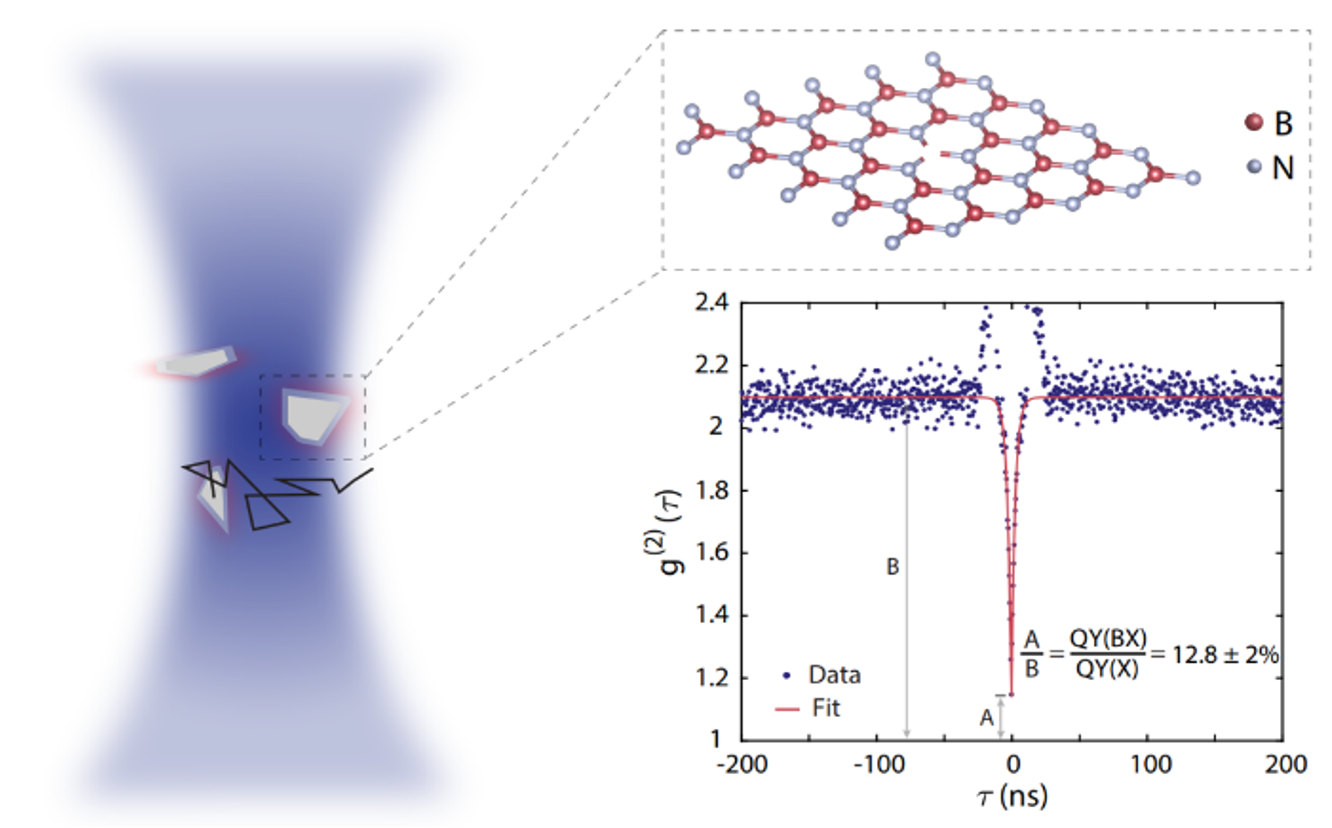
A long-standing issue that limits the systematic improvement of single quantum emitters (SQEs) is the significant sample heterogeneity and consequent selection bias in choosing SQEs for characterization. To tackle this challenge, a spectroscopic method that can obtain sample-averaged performances with statistical significance is a prerequisite. Read More
-
Quantum foundries prepared to receive equipment
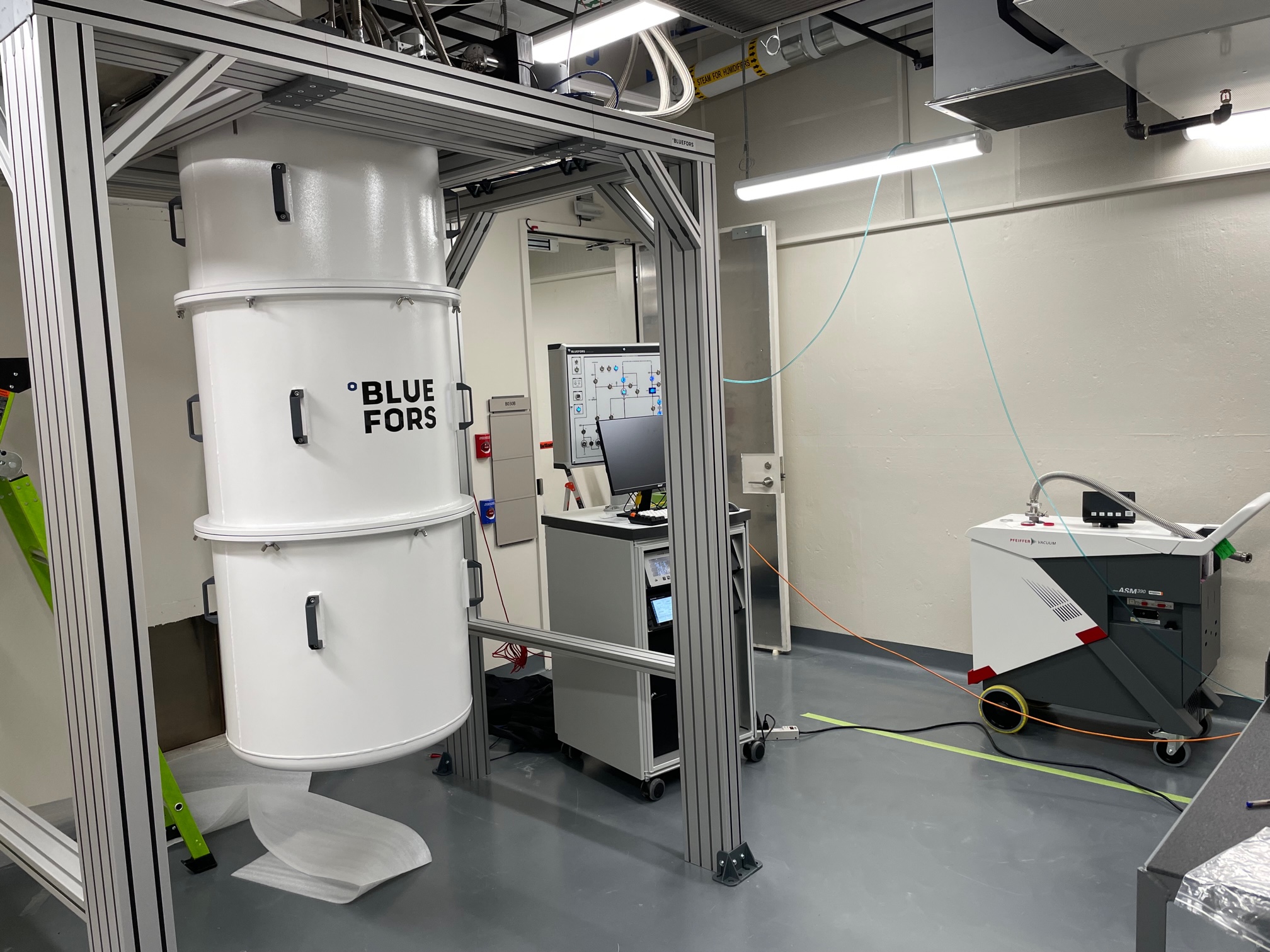
The Q-NEXT team’s effort to build quantum foundries is gaining momentum as the new lab spaces are readied for the initial tool set and capabilities. At both Argonne and SLAC, the foundries are coming into their role as a national resource for quantum-relevant materials and devices, providing researchers with access to state-of-the-art materials and capabilities. Read More
-

Meet a PI with JoAnne Hewett – April 13
Students and postdocs: Chat with Q-NEXT Deputy Director JoAnne Hewett on Wednesday, April 13. Read More
-
Meet a PI with David Awschalom - March 22
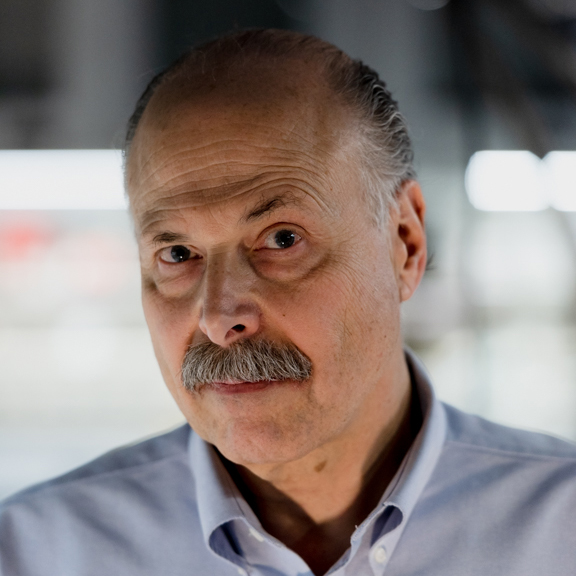
Mark your calendars: On Tuesday, March 22, Q-NEXT hosts the first meeting of its new Meet a PI series with Q-NEXT Director David Awschalom. In the series, students and postdocs will have the chance to chat with PIs throughout the center. Read More
-

Quantum communication collaboration — tangling with entanglement
The Q-NEXT Quantum Communication Thrust – consisting of world-leading researchers from eight institutions – is developing the full set of tools to enable the distribution and application of quantum resources between multiple nodes. Just as classical networks play a critical role in nearly all areas of information processing, from communication to computing to sensing and metrology, quantum links that connect a network of operational nodes will enable a wealth of new QIS applications. Read More
-
David Awschalom wins global Breakthrough of the Year award
David Awschalom, Q-NEXT Chief Science Officer and the Liew Family Professor of Quantum Engineering and Physics at the University of Chicago, received the prestigious Falling Walls Science Breakthrough of the Year in Physical Sciences for a pioneering body of work that broke the wall between quantum technology, molecules, and proteins. Read More
-
Helium lifts new quantum computing concept
A team led by Jacob Covey, who is part of Q-NEXT and is an Associate Professor at the University of Chicago, laid out a new concept that could turn helium’s light weight into the next generation of quantum computers. The design relies on helium-3, an isotope with different quantum properties than the helium-4 used to cool MRI machines and fill party balloons. Once built, the computer could use high-powered lasers as “optical tweezers” to capture and control individual atoms of helium. Read More
-
Researchers make materials that support quantum technology
Researchers from the University of Illinois Urbana-Champaign who are part of Q-NEXT are engineering material systems that support quantum technology. Chris Anderson and his team are developing materials for quantum transduction — the conversion of quantum information from one form to another. Elizabeth Goldschmidt, Daniel Shoemaker, and colleagues are developing quantum memory technology that stores quantum information for extended periods of time. Read More
-
Silicon Chip Offers New Way to Probe Quantum Materials in Strong Magnetic Fields
Scientists have created a silicon chip that can detect the electrical behavior of very small materials by using very high-frequency waves. The chip is made only from silicon and other non-superconducting materials and still performs very well when cooled from room temperature down to about 4 Kelvin. Read More
-
Making quantum bits ready to use again much sooner
Scientists from the University of Wisconsin-Madison and Intel have found that a simple electrical pulse can quickly push a quantum dot qubit out of a latched state and return it to its starting condition with very high reliability. Read More
-
Q-NEXT-developed open-source software receives 2026 R&D 100 award
SeQUeNCe, a free, open-source software developed by Argonne scientists with Q-NEXT support, is one of seven Argonne projects that received a 2026 R&D 100 Award. The SeQUeNCe software lets researchers test how quantum networks might work before building them. Read More
-
Researchers generate spontaneous magnons that synchronize with external signals
Researchers at Argonne and the University of Illinois Urbana-Champaign demonstrate a method for generating stable ripples in magnetic materials called magnons. The work opens avenues for information processing in microelectronics and quantum devices. Read More
-
Uncovering the hidden disorder in silicon quantum computers
From the U.S. Department of Energy: Q-NEXT researchers map the variation in materials to the atom level to scale up silicon qubits Read More
-
Color centers in high-purity diamond
Researchers mapped how electron irradiation makes defects inside diamond, finding that creating more vacancies does not always produce more NV centers. Too many vacancies can form unwanted defects. This result can inform advances in quantum sensing. Read More
-
Containing multitudes: SLAC scientist collaborates to create scalable qubits
At SLAC National Accelerator Laboratory, Q-NEXT collaborator Shannon Harvey develops quantum dots — a mass-producible type of qubit. Driven by curiosity about nature and how things work, Harvey draws on her facility for working at the nanoscale. Read More