
Argonne National Laboratory
-
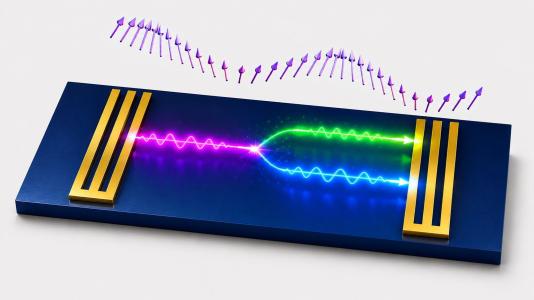
Researchers generate spontaneous magnons that synchronize with external signals
Researchers at Argonne and the University of Illinois Urbana-Champaign demonstrate a method for generating stable ripples in magnetic materials called magnons. The work opens avenues for information processing in microelectronics and quantum devices. Read More
-
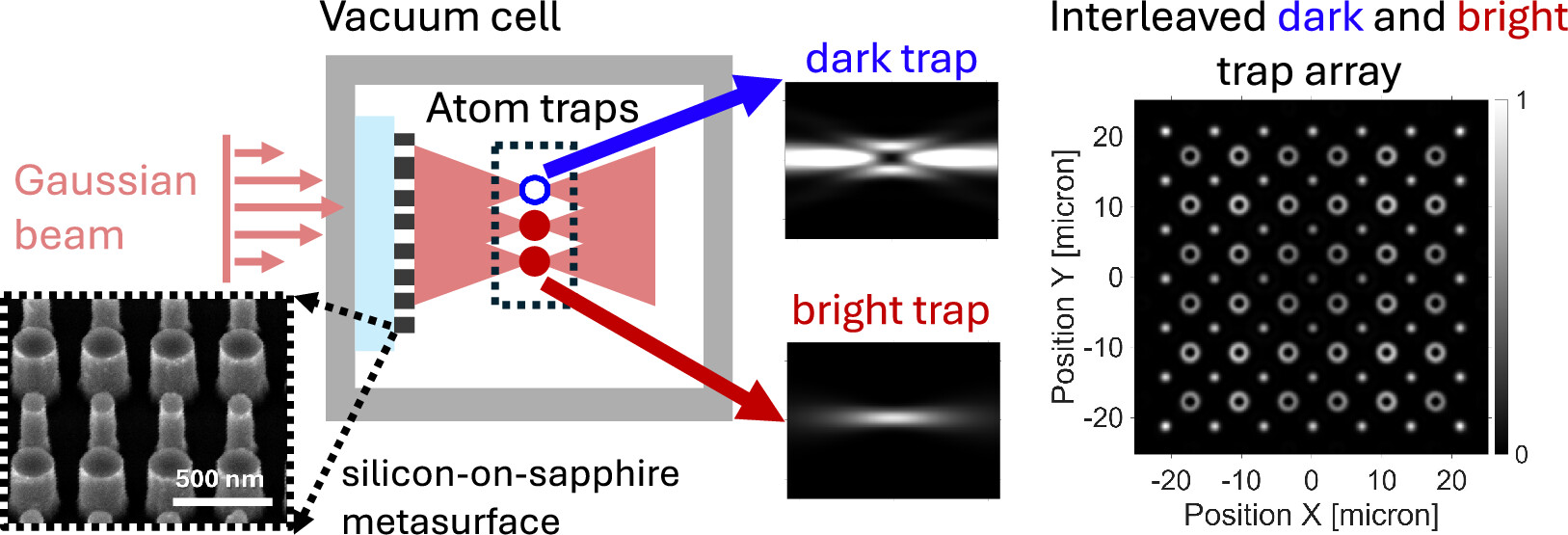
Trapping atoms with the help of silicon on sapphire
Researchers create chip-compatible metasurfaces that can transform a single laser beam into large arrays of bright and dark optical traps, offering a compact, scalable, low-noise way to control atoms for quantum computing and quantum sensing. Read More
-
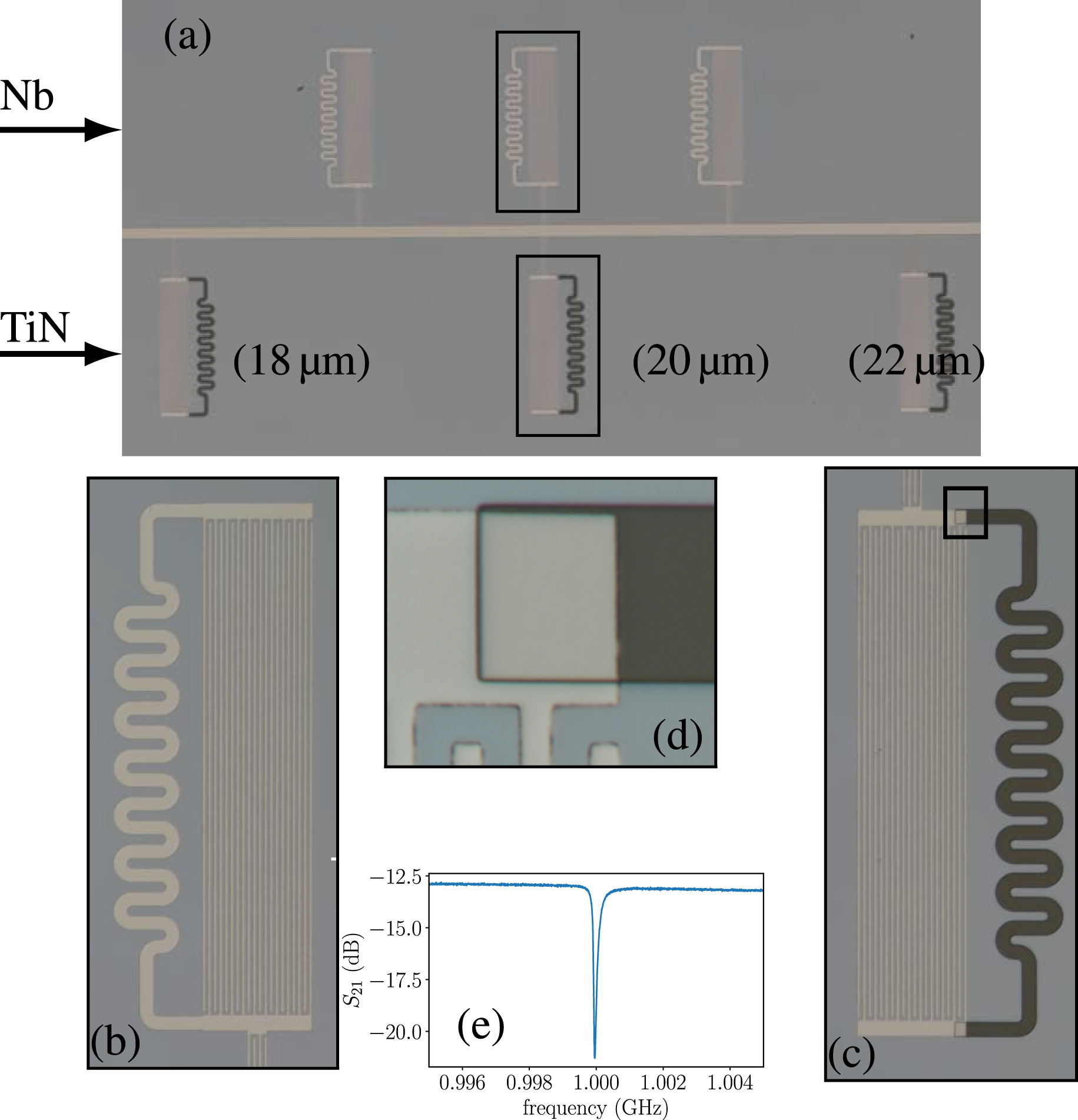
Ultrathin titanium nitride for superconducting qubits
Researchers have developed an ultrathin titanium nitride superconductor with exceptionally high kinetic inductance, a property that could strengthen interactions in quantum devices and improve quantum sensors, amplifiers and superconducting qubits. Read More
-
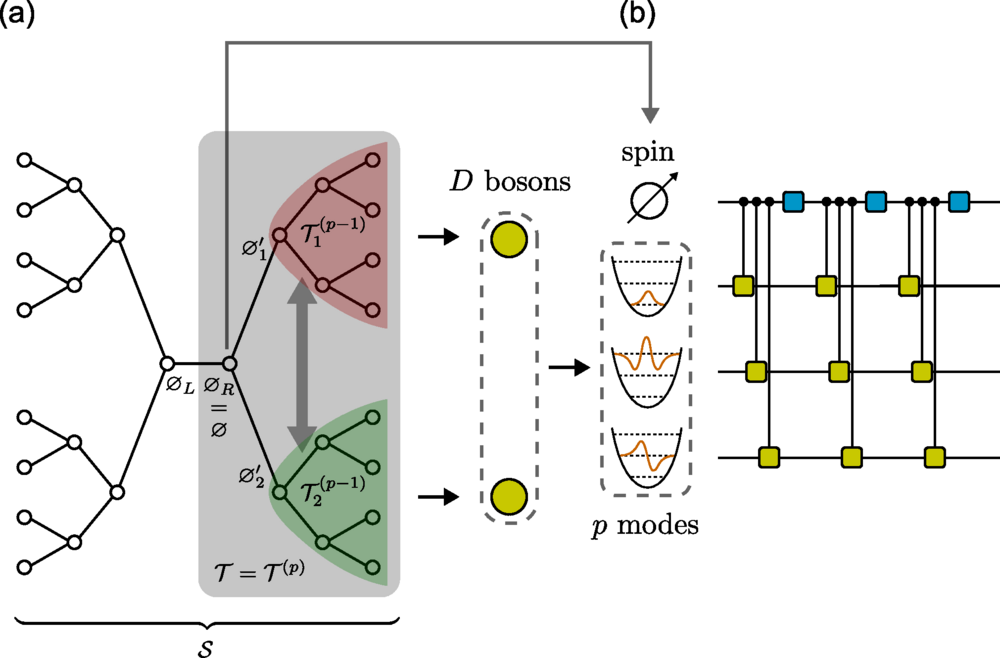
Solving hard optimization problems with QAOA
Researchers find a new way to study deep versions of QAOA, a #quantum optimization algorithm, effectively describing its behavior in a simpler model. The approach enables deeper simulations than before and shows QAOA can closely approach optimal solutions. Read More
-
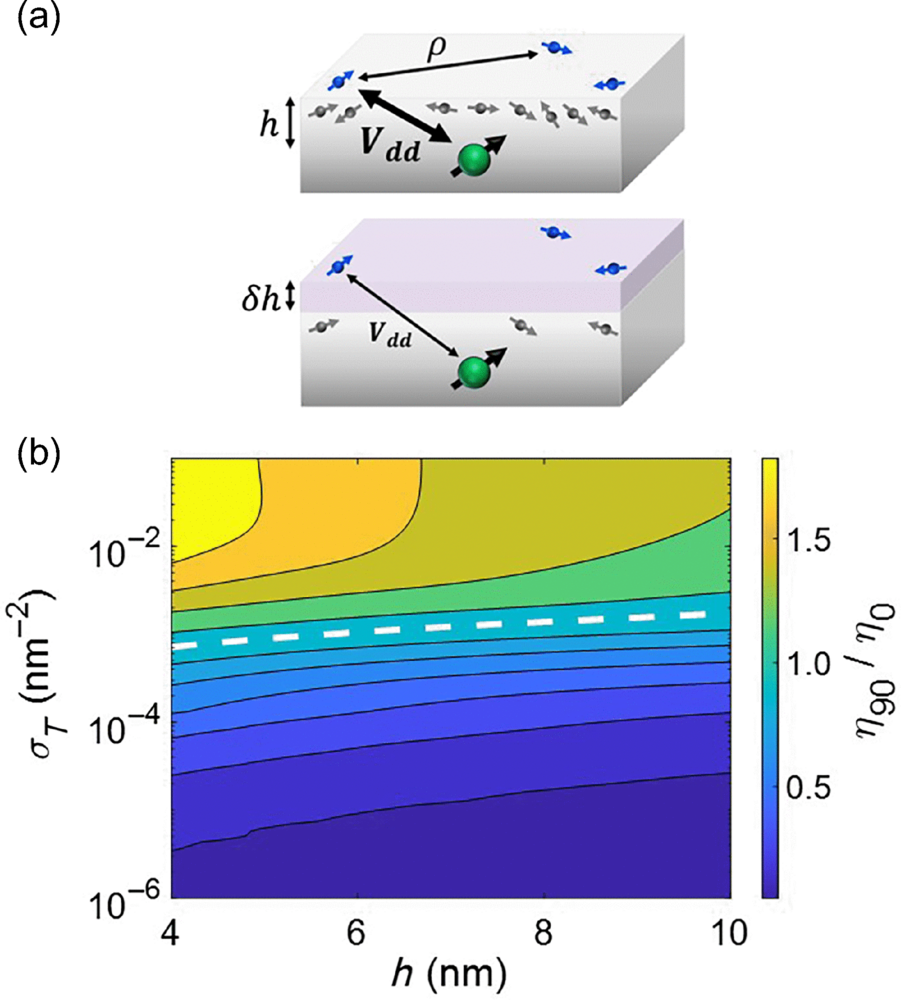
Reducing noise in diamond sensors
By coating diamond with a thin titanium oxide layer, researchers have greatly reduced magnetic noise from surface defects, improving the performance of diamond quantum sensors and potentially other quantum devices. Read More
-
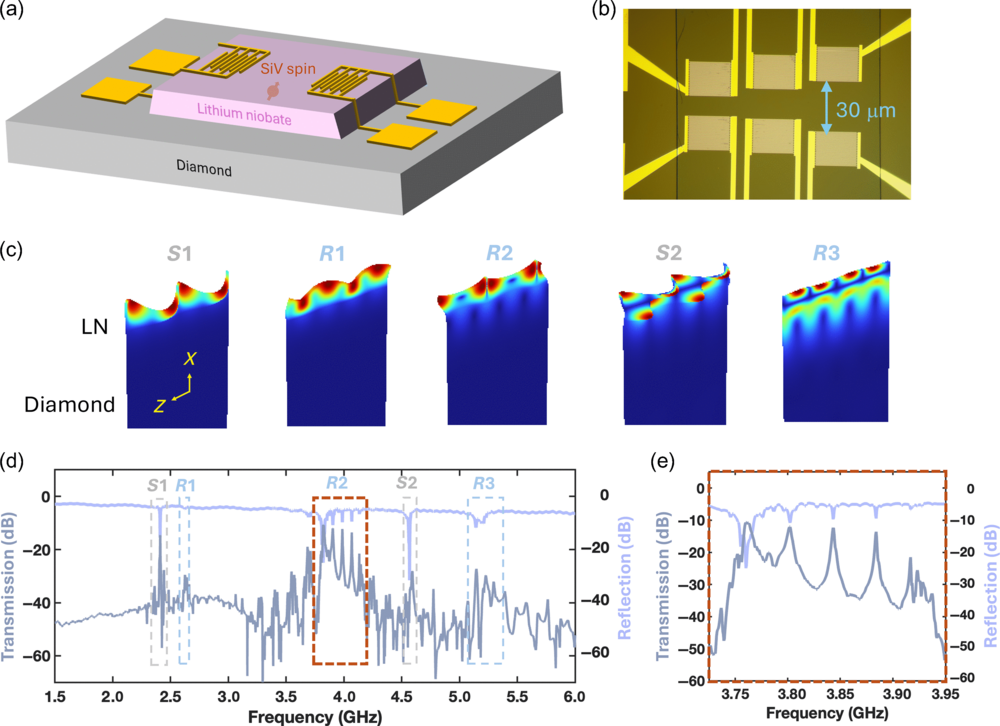
Diamond, lithium niobate and spin control
Researchers control the spin of a single silicon vacancy by combining diamond with a thin layer of lithium niobate, an important step toward phonon-based quantum technologies. Read More
-
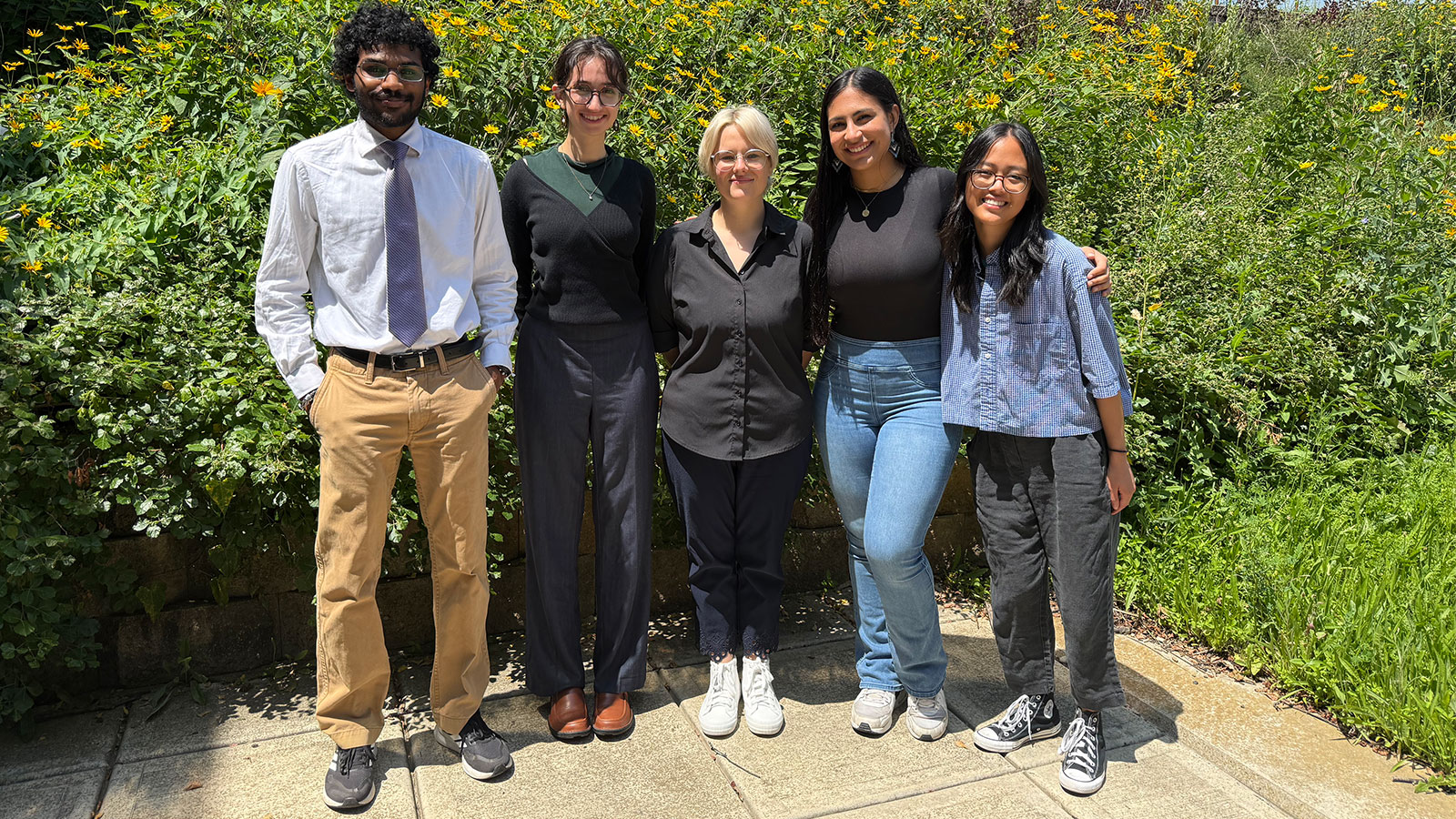
The fabulous five: Open Quantum Initiative undergraduate fellows conduct research at Argonne
Five undergraduates, countless qubits and one summer at Argonne: A summer of research ignites undergraduates’ passion for quantum information science. Read More
-
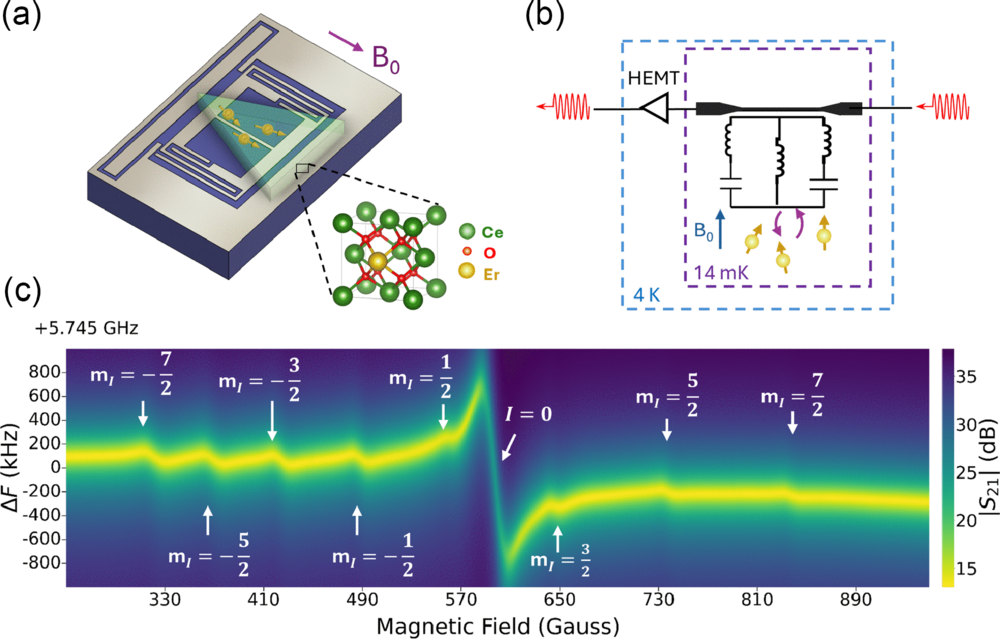
Connecting with commercial networks through erbium
Erbium ions are great for quantum networks: They emit and absorb light at telecom frequencies. Q-NEXT researchers show that erbium spins in thin films of doped cerium oxide stay coherent for tens of microseconds and even longer with special techniques. Read More
-

Jeffrey Larson brings math to the frontiers of science
From Argonne National Laboratory: Whether he’s optimizing fusion reactors or mentoring future scientists, Argonne mathematician Jeffrey Larson thrives on turning complex challenges into elegant solutions. Read More
-
Chicago's quantum computing center a benefit of tolerance
From the Chicago Sun-Times: Q-NEXT Chief Science Officer David Awschalom talks with the Chicago Sun-Times about quantum encryption, computing and the growing ecosystem in the Midwest. Read More
In the News
See all In the News-
Uncovering the hidden disorder in silicon quantum computers
From the U.S. Department of Energy: Q-NEXT researchers map the variation in materials to the atom level to scale up silicon qubits Read More
-
Neutral atom computers: the physics of Rydberg quantum gates | Mark Saffman
From 632nm: Mark Saffman, professor at the University of Wisconsin–Madison and chief scientist at Infleqtion, discusses the physics of optical tweezers and Rydberg gates, how neutral atoms perform quantum logic and create entanglement, and why this platform offers advantages in connectivity and scalability. Read More
-
Prof. Giulia Galli appointed CNRS Fellow-Ambassador
From the University of Chicago: With the appointment, Galli joins a prestigious cohort of leading figures from the world’s scientific community. Read More
-
Tuning into quantum sounds
From Caltech: Researchers at Caltech and Stanford University, including Stanford's Amir Safavi-Naeini, create tiny vibrating devices that can naturally display quantum behavior without needing an external quantum circuit. By harnessing microscopic defects already present in the material, the team achieved single-phonon nonlinear effects that could enable simpler quantum sensors capable of detecting and studying individual molecules with extraordinary sensitivity. Read More
-
Illinois touts growing quantum workforce as state shows industry leadership
From NPR Illinois: Q-NEXT Workforce Development Lead Emily Easton discusses the growing quantum education and workforce ecosystem in Illinois. Read More