
Argonne National Laboratory
-
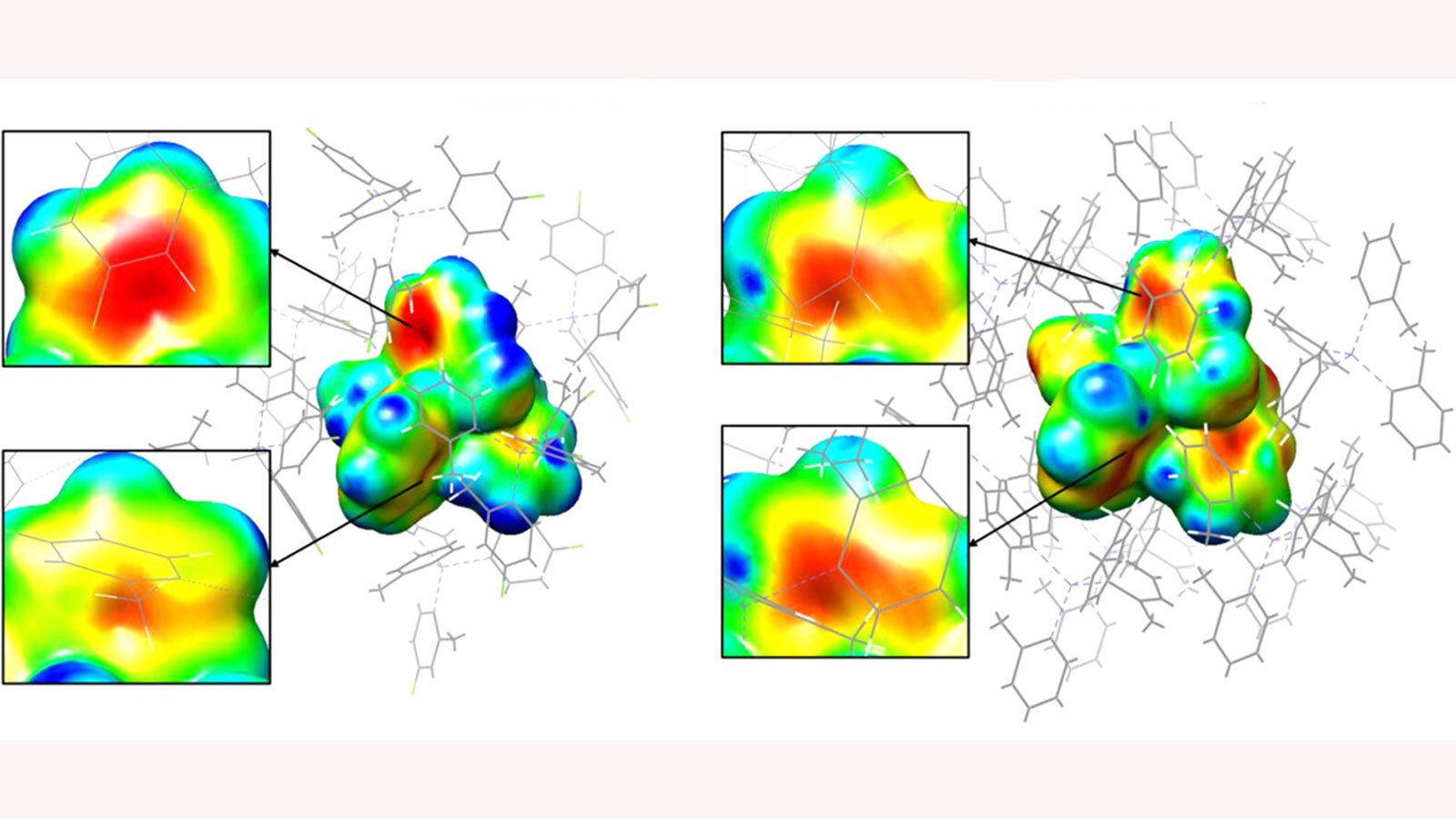
Advanced computer modeling predicts molecular-qubit performance
Scientists develop a computational method to design chromium-based molecular qubits with precision, paving the way for advanced quantum technologies. Read More
-
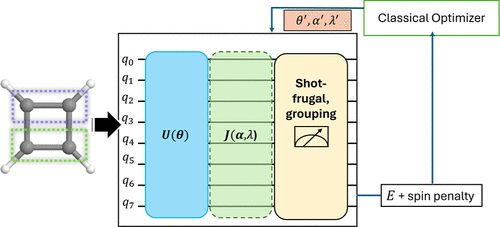
Modeling complex molecules
Researchers develop a quantum algorithm that makes it possible to model complex molecules accurately and efficiently on today’s small and error-prone quantum computers. Read More
-
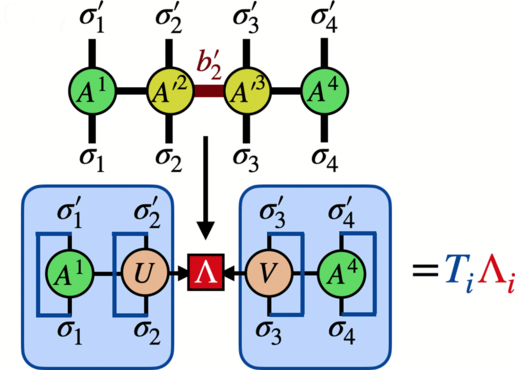
Simulating noisy quantum computers
Researchers show how to better simulate noisy quantum computers as they scale up, using new tensor network techniques that make large systems manageable. Read More
-
Researchers zero in on a new material for quantum information storage
From Argonne National Laboratory: Research from Argonne and the University of Chicago points to a previously unidentified trait in magnesium oxide that could lend itself to use in quantum systems. Read More
-
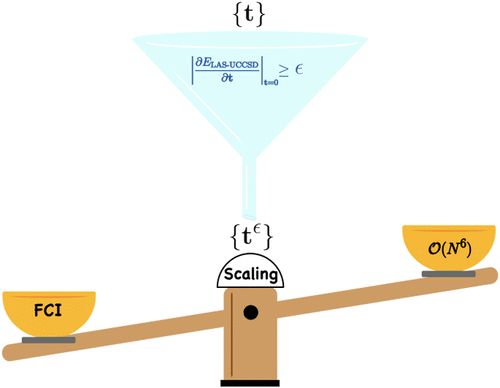
Improving the efficiency of quantum algorithms for complex molecules
Researchers develop an algorithm to help quantum computers simulate complex molecules, reducing the memory demands of a classical preselection algorithm and helping estimate the quantum resource requirements for simulating larger chemical systems. Read More
-

Controlling the makeup of semiconductor materials for quantum technologies
Researchers highlight how controlling the isotopic makeup of semiconductor materials is becoming a key part of designing effective quantum technologies. Read More
-
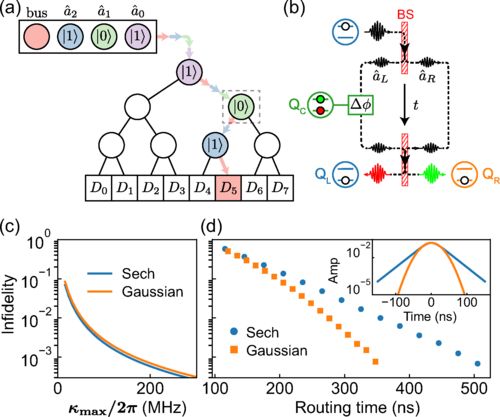
A new design for quantum random access memory
Scientists present a new design for quantum random access memory, which allows a quantum computer to look up multiple pieces of data memory locations at once in a superposition. Read More
-
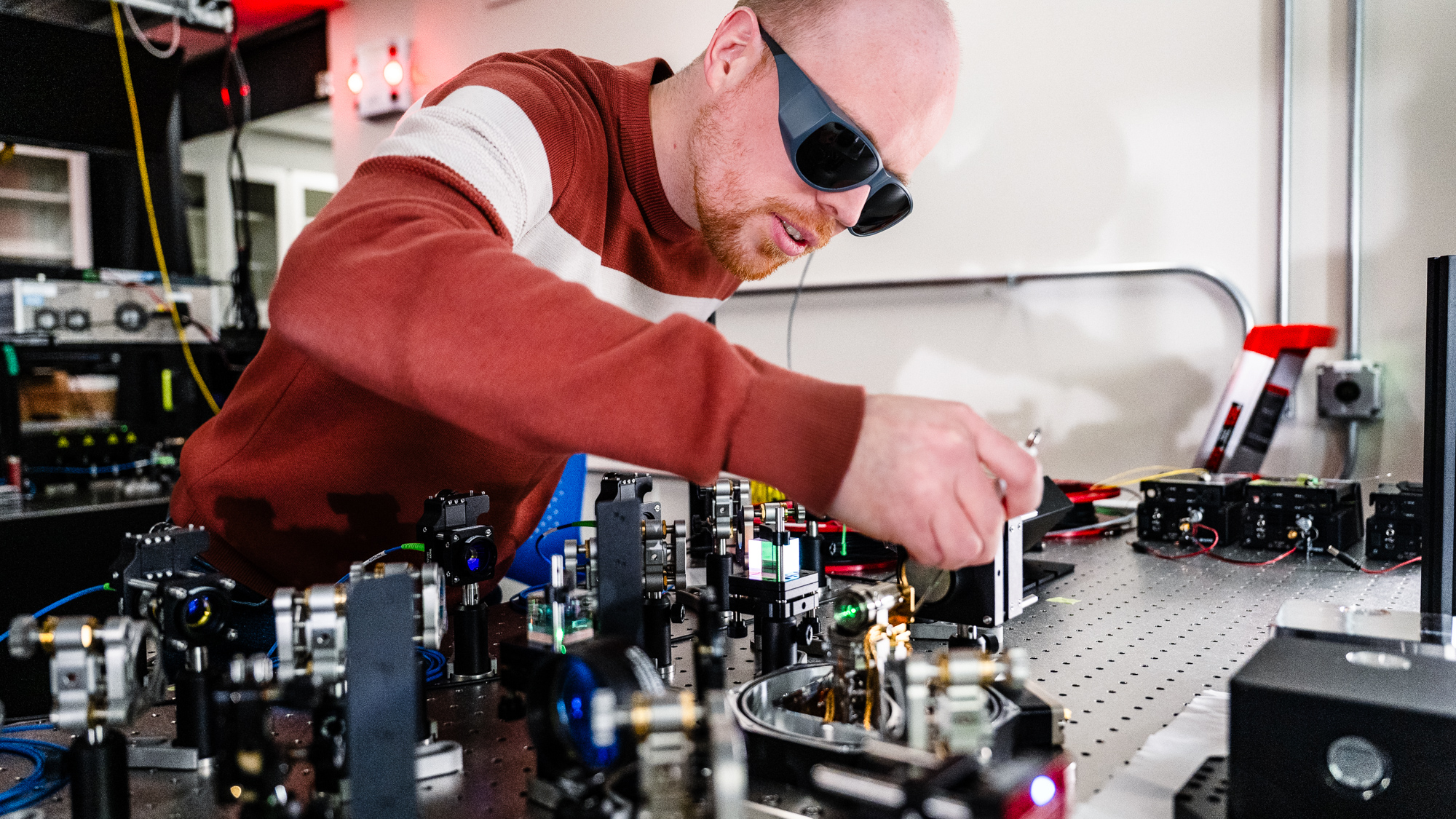
Creating color centers for quantum science
Argonne scientist Benjamin Pingault, a researcher at the Q-NEXT quantum center, creates color centers — qubits made by manipulating single atoms within a crystal — and emphasizes the importance of creativity and adaptability for fruitful collaboration. Read More
-
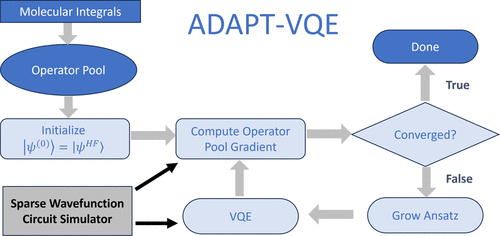
ADAPT-VQE for quantum simulation of molecules
Researchers run simulations of molecular behavior more efficiently — even for larger molecules — using a #quantum algorithm called ADAPT-VQE, offloading some of the heavy work to classical supercomputers. Read More
-
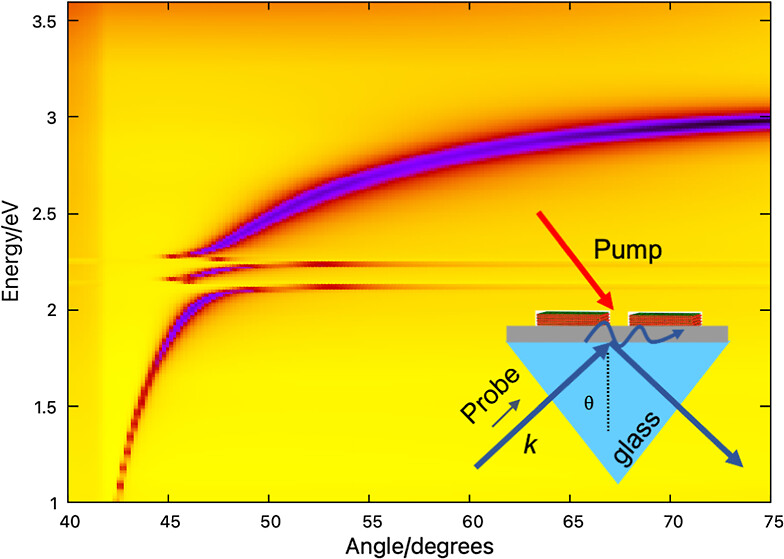
Nanoplatelet-plasmon interactions for quantum devices
Scientists show how semiconductor nanoplatelets interact with plasmons and develop a related model to explain the behavior. The work could lead to more efficient quantum devices. Read More
In the News
See all In the News-
Uncovering the hidden disorder in silicon quantum computers
From the U.S. Department of Energy: Q-NEXT researchers map the variation in materials to the atom level to scale up silicon qubits Read More
-
Neutral atom computers: the physics of Rydberg quantum gates | Mark Saffman
From 632nm: Mark Saffman, professor at the University of Wisconsin–Madison and chief scientist at Infleqtion, discusses the physics of optical tweezers and Rydberg gates, how neutral atoms perform quantum logic and create entanglement, and why this platform offers advantages in connectivity and scalability. Read More
-
Prof. Giulia Galli appointed CNRS Fellow-Ambassador
From the University of Chicago: With the appointment, Galli joins a prestigious cohort of leading figures from the world’s scientific community. Read More
-
Tuning into quantum sounds
From Caltech: Researchers at Caltech and Stanford University, including Stanford's Amir Safavi-Naeini, create tiny vibrating devices that can naturally display quantum behavior without needing an external quantum circuit. By harnessing microscopic defects already present in the material, the team achieved single-phonon nonlinear effects that could enable simpler quantum sensors capable of detecting and studying individual molecules with extraordinary sensitivity. Read More
-
Illinois touts growing quantum workforce as state shows industry leadership
From NPR Illinois: Q-NEXT Workforce Development Lead Emily Easton discusses the growing quantum education and workforce ecosystem in Illinois. Read More