
Center for Nanoscale Materials
-
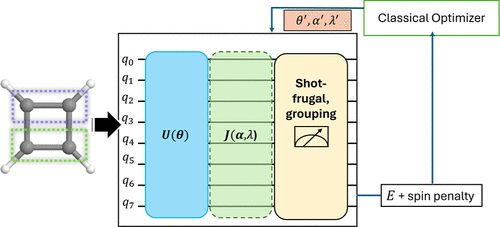
Modeling complex molecules
Researchers develop a quantum algorithm that makes it possible to model complex molecules accurately and efficiently on today’s small and error-prone quantum computers. Read More
-
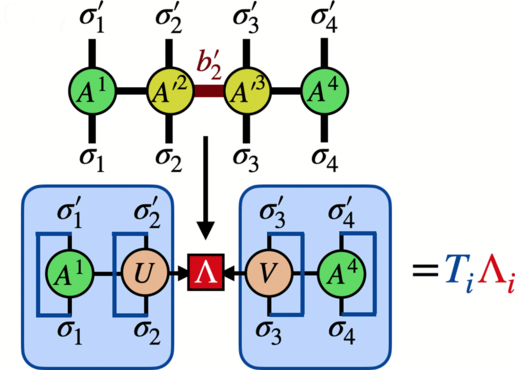
Simulating noisy quantum computers
Researchers show how to better simulate noisy quantum computers as they scale up, using new tensor network techniques that make large systems manageable. Read More
-
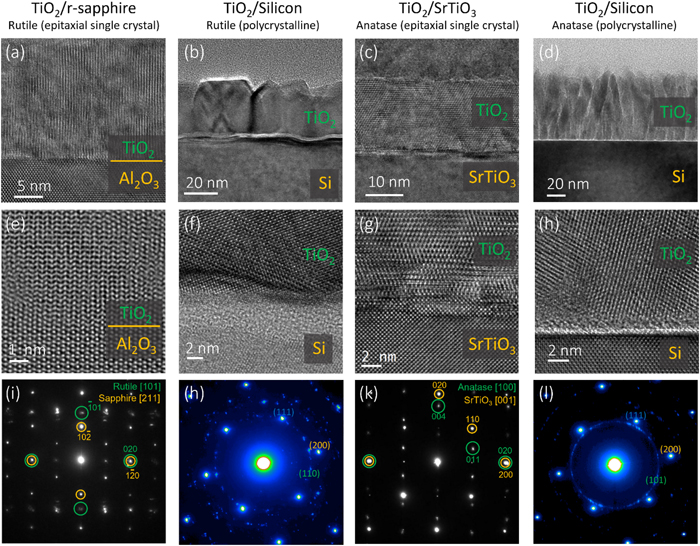
Better qubits with erbium-doped titanium dioxide
Researchers show that erbium-doped titanium dioxide on silicon can be effective for quantum devices integrated into chips, exhibiting better qubit emission and optical quality. Read More
-
X-ray imagery of vibrating diamond opens avenues for quantum sensing
Scientists map atomic vibrations in diamond, linking them with the behavior of the quantum system embedded within. The work advances quantum sensors, which will be significantly more precise than today’s detection tools. Read More
-
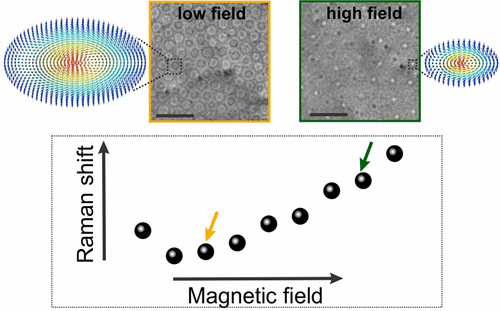
2D magnets, spins, phonons and quantum computing
Scientists uncover a connection between spin–phonon interactions and the evolution of magnetic skyrmion bubbles in 2-D van der Waals magnets, which have potential applications in quantum computing. Read More
-
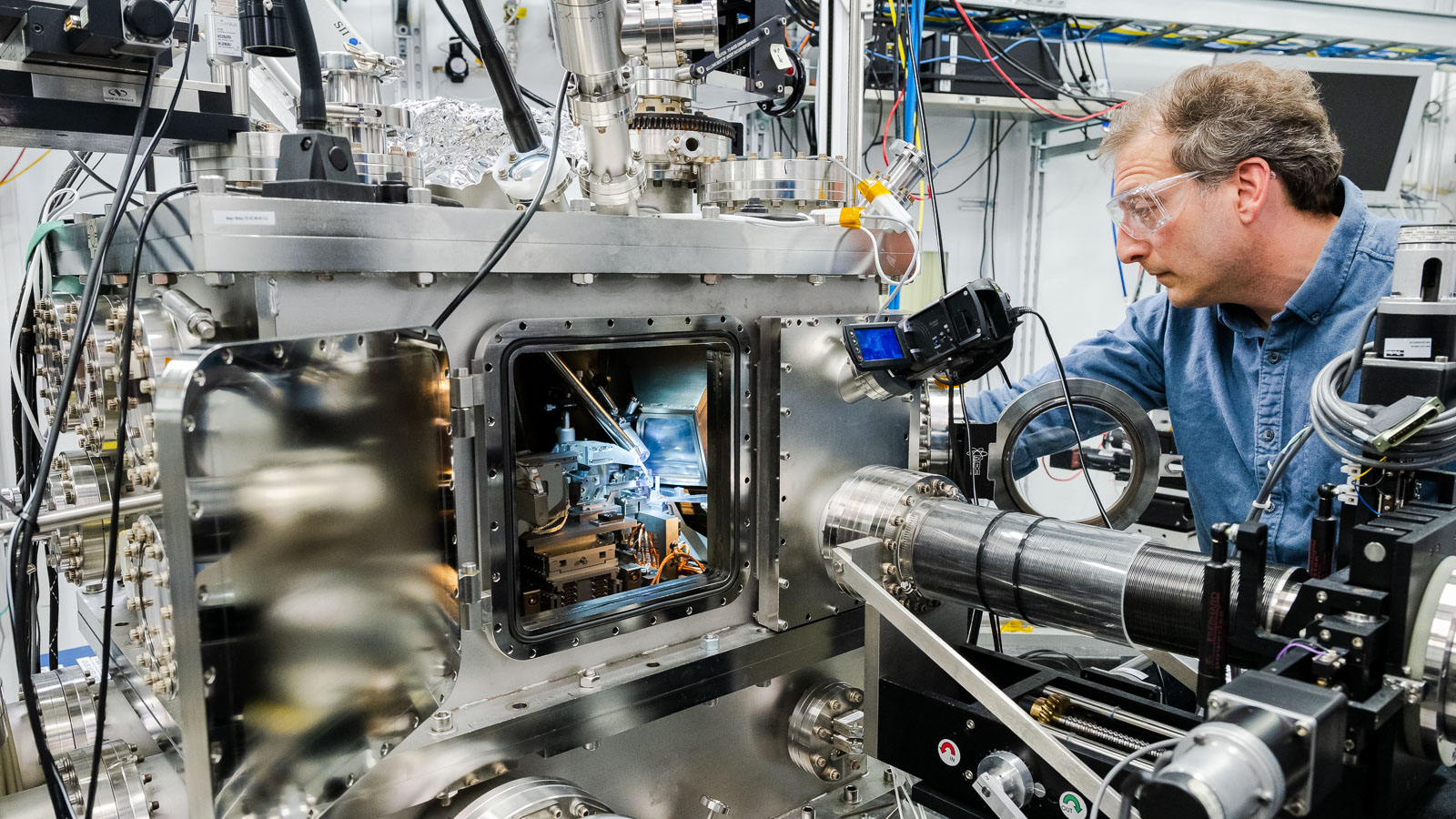
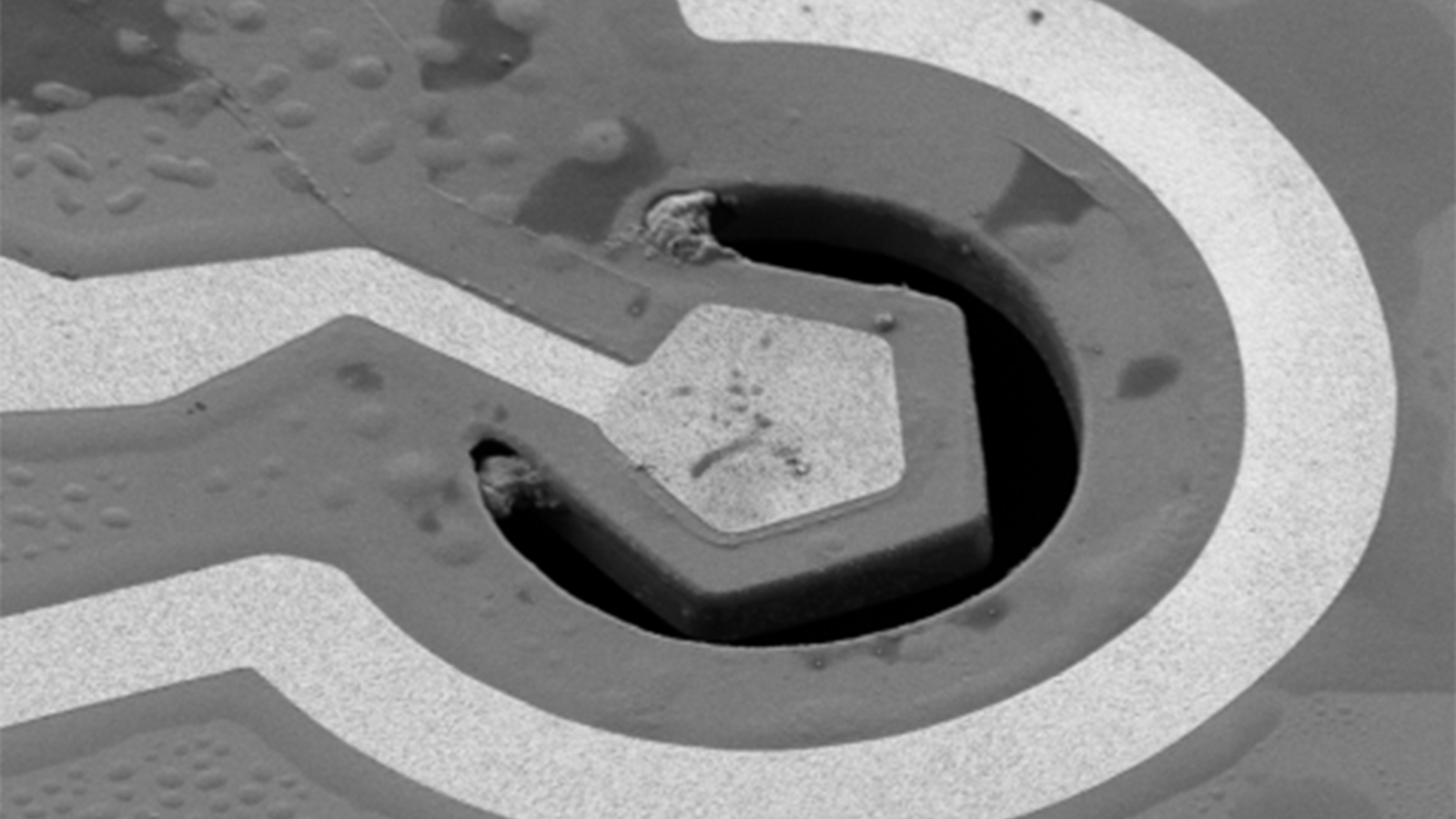
Argonne, Sandia scientists create qubits using precision tools of nanotechnology
Scientists leverage nanoscale-research facilities to conduct pioneering precision studies of qubits in silicon carbide, leading to a better understanding of quantum devices and higher performance. Read More
In the News
See all In the News-
Uncovering the hidden disorder in silicon quantum computers
From the U.S. Department of Energy: Q-NEXT researchers map the variation in materials to the atom level to scale up silicon qubits Read More
-
Neutral atom computers: the physics of Rydberg quantum gates | Mark Saffman
From 632nm: Mark Saffman, professor at the University of Wisconsin–Madison and chief scientist at Infleqtion, discusses the physics of optical tweezers and Rydberg gates, how neutral atoms perform quantum logic and create entanglement, and why this platform offers advantages in connectivity and scalability. Read More
-
Prof. Giulia Galli appointed CNRS Fellow-Ambassador
From the University of Chicago: With the appointment, Galli joins a prestigious cohort of leading figures from the world’s scientific community. Read More
-
Tuning into quantum sounds
From Caltech: Researchers at Caltech and Stanford University, including Stanford's Amir Safavi-Naeini, create tiny vibrating devices that can naturally display quantum behavior without needing an external quantum circuit. By harnessing microscopic defects already present in the material, the team achieved single-phonon nonlinear effects that could enable simpler quantum sensors capable of detecting and studying individual molecules with extraordinary sensitivity. Read More
-
Illinois touts growing quantum workforce as state shows industry leadership
From NPR Illinois: Q-NEXT Workforce Development Lead Emily Easton discusses the growing quantum education and workforce ecosystem in Illinois. Read More