
Argonne National Laboratory
-
New AI method predicts properties of quantum orbitals with intuitive speed
From the University of Chicago: One of the primary research goals of scientist Laura Gagliardi's group at the University of Chicago has been to automate the analysis of molecular orbitals — the quantum-level electron structures critical for understanding bonding and reactivity. This critical area of research is now receiving a powerful boost from research on the Cartesian Equivariant Orbital Network, a new AI tool developed by Daniel King, now a fellow at the University of California, Berkeley. Read More
-
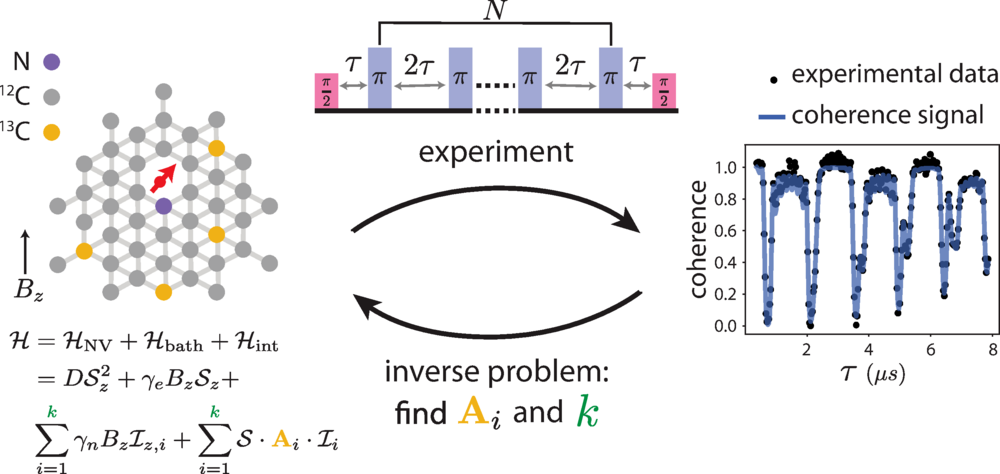
Simulating magnetic interactions of atomic qubits
Researchers introduce new computational tools that can reconstruct the magnetic interactions of atoms close to spin defects using only short measurements that take hours instead of days, enabling faster use of atomic qubits for quantum sensing. Read More
-
Spin qubits: sensing heartbeats to dark matter — with Argonne National Laboratory
From the Post Quantum World podcast: The word “foundry” might make you think of large machines pouring metal into molds, but Argonne National Lab has a Quantum Foundry that implants individual atoms, like silicon, into materials such as diamond. The resulting spin qubits are optically active and can use photons to communicate. We can expect spin qubits to help interconnect systems, which could help us achieve distributed quantum computing, but they also could be used for everything from room-temperature biological sensors to durable, space-based dark matter detectors. Join host Konstantinos Karagiannis for a cosmic chat with Benjamin Pingault from Argonne National Laboratory. Read More
-
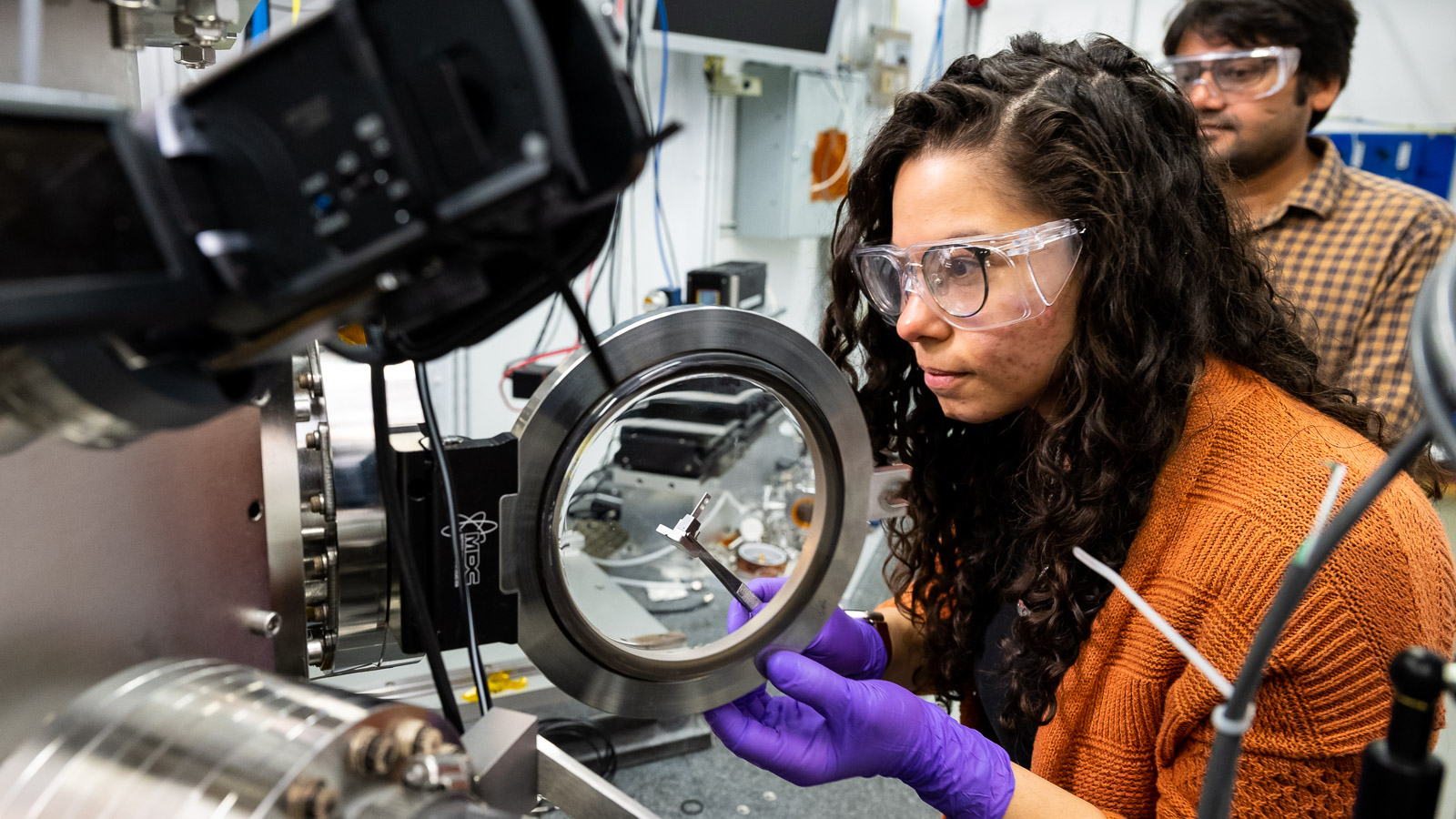
Quantum research centers led by Argonne and Fermilab renewed for five years
From the University of Chicago: UChicago-affiliated laboratories each receive $125 million to advance next-generation quantum science and technology Read More
-
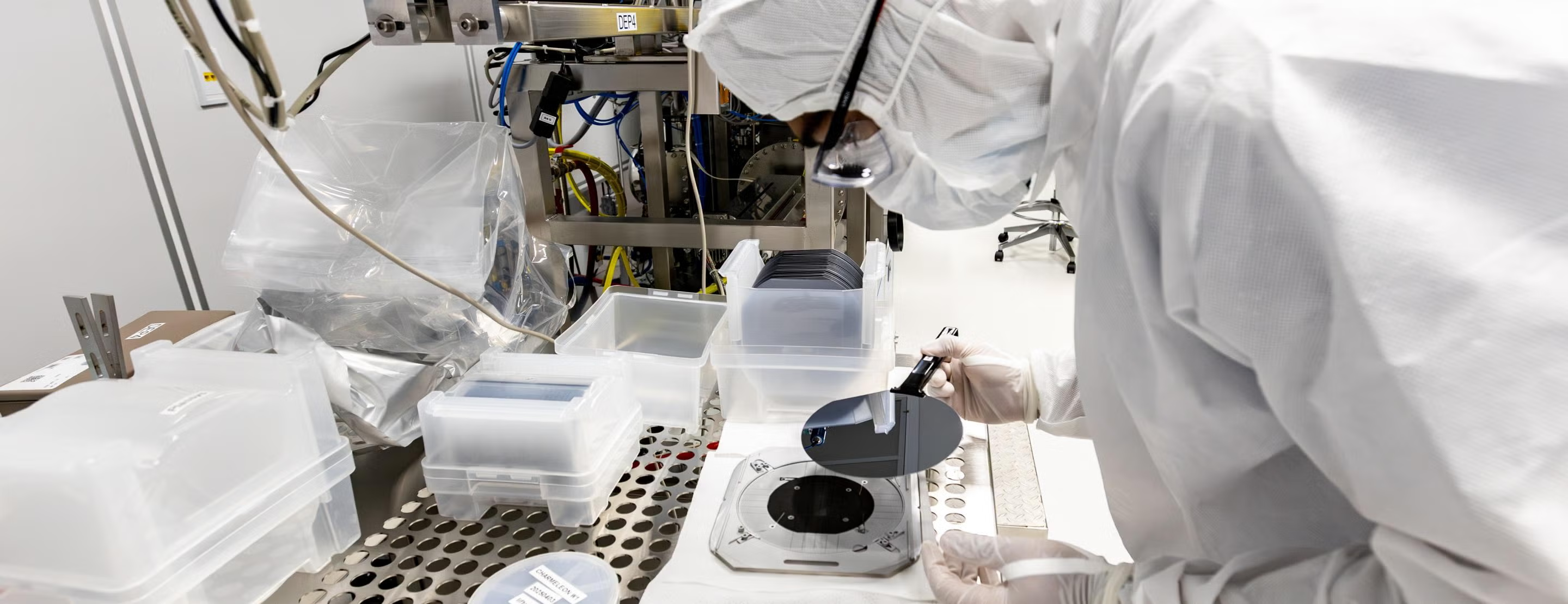
Q-NEXT quantum center renewed for five years
SLAC and Stanford partner with Argonne National Laboratory and others toward a quantum-interconnected world. Read More
-
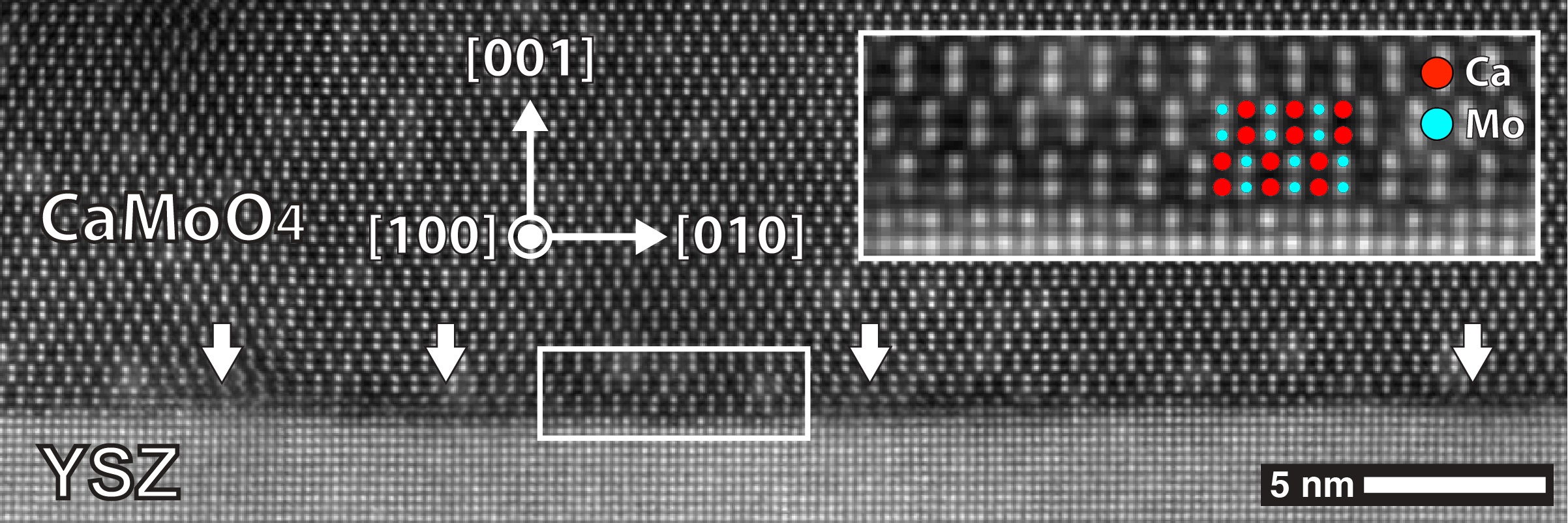
Thin films for quantum information transmission in telecom networks
Researchers grow thin films made of calcium molybdate in a way that is promising for quantum light sources that work at telecom wavelengths. Read More
-
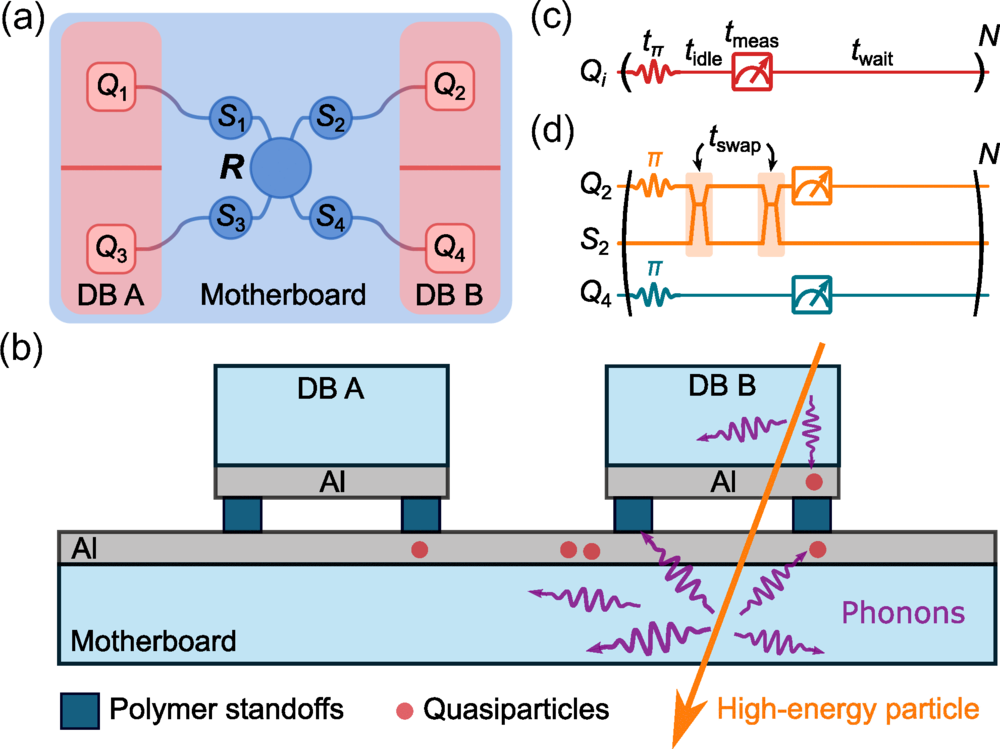
Modular processors and mitigating error
Researchers show that modular designs can help contain cosmic-ray-induced errors in computers based on superconducting qubits. Read More
-
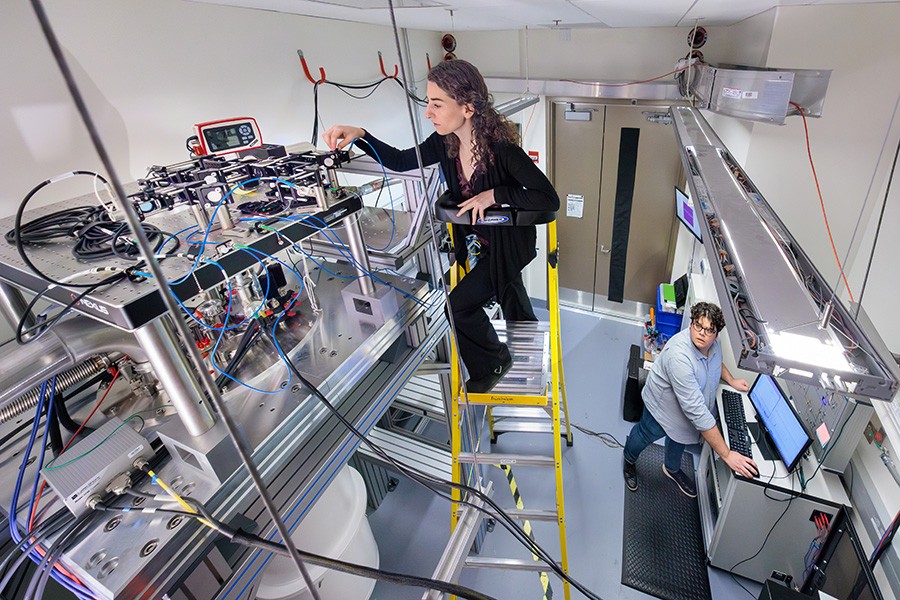
Researchers develop molecular qubits that communicate at telecom frequencies
The unique qubits also connect light and magnetism at the quantum level, which makes them powerful potential building blocks for quantum technologies Read More
-
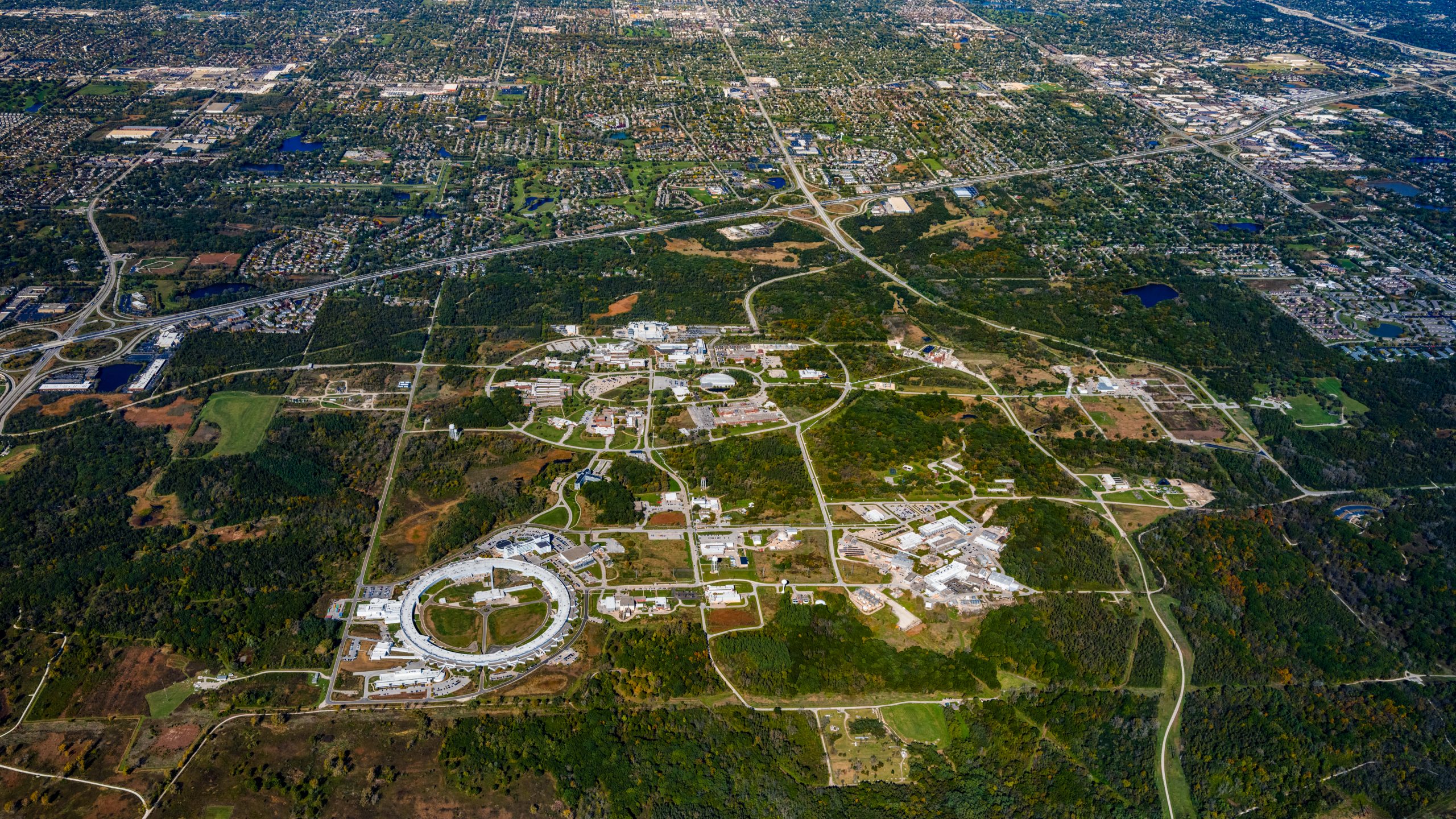
How Argonne is helping to expand the Quantum Prairie
Argonne is an integral part of a growing network of research institutions, companies and nonprofits dedicated to expanding quantum information science. Read More
-

Quantifying entangled states
Scientists find surprising behavior in how we measure #quantum entanglement, showing that the usual method can sometimes give unexpected results when states are combined. Read More
In the News
See all In the News-
Uncovering the hidden disorder in silicon quantum computers
From the U.S. Department of Energy: Q-NEXT researchers map the variation in materials to the atom level to scale up silicon qubits Read More
-
Neutral atom computers: the physics of Rydberg quantum gates | Mark Saffman
From 632nm: Mark Saffman, professor at the University of Wisconsin–Madison and chief scientist at Infleqtion, discusses the physics of optical tweezers and Rydberg gates, how neutral atoms perform quantum logic and create entanglement, and why this platform offers advantages in connectivity and scalability. Read More
-
Prof. Giulia Galli appointed CNRS Fellow-Ambassador
From the University of Chicago: With the appointment, Galli joins a prestigious cohort of leading figures from the world’s scientific community. Read More
-
Tuning into quantum sounds
From Caltech: Researchers at Caltech and Stanford University, including Stanford's Amir Safavi-Naeini, create tiny vibrating devices that can naturally display quantum behavior without needing an external quantum circuit. By harnessing microscopic defects already present in the material, the team achieved single-phonon nonlinear effects that could enable simpler quantum sensors capable of detecting and studying individual molecules with extraordinary sensitivity. Read More
-
Illinois touts growing quantum workforce as state shows industry leadership
From NPR Illinois: Q-NEXT Workforce Development Lead Emily Easton discusses the growing quantum education and workforce ecosystem in Illinois. Read More