
Stanford University
-
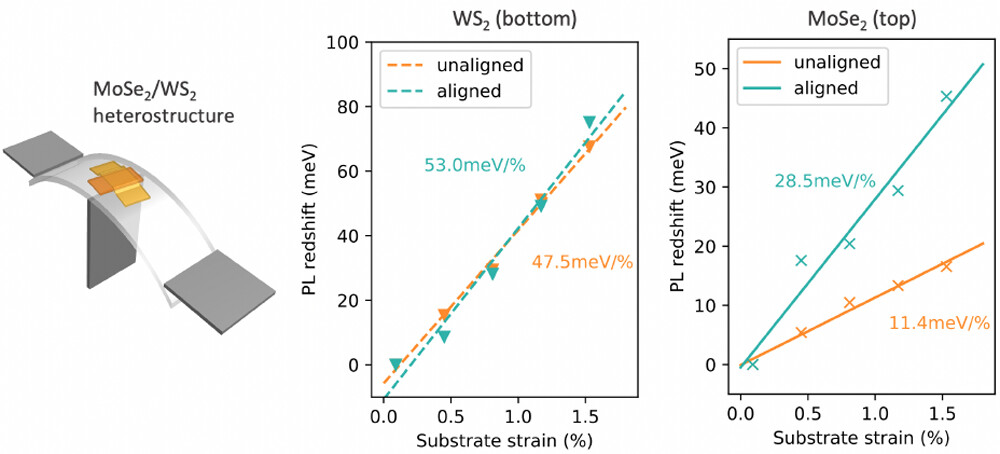
Stacking 2D materials with a twist
Researchers stack layers of van der Waals materials, twisting each as it’s stacked, and measure how well the strain is transferred between layers. Their findings open possibilities for quantum engineering. Read More
-
The science of light
From Stanford University: Jelena Vuckovic and Jennifer Dionne are featured for their work on photonics research. Read More
-
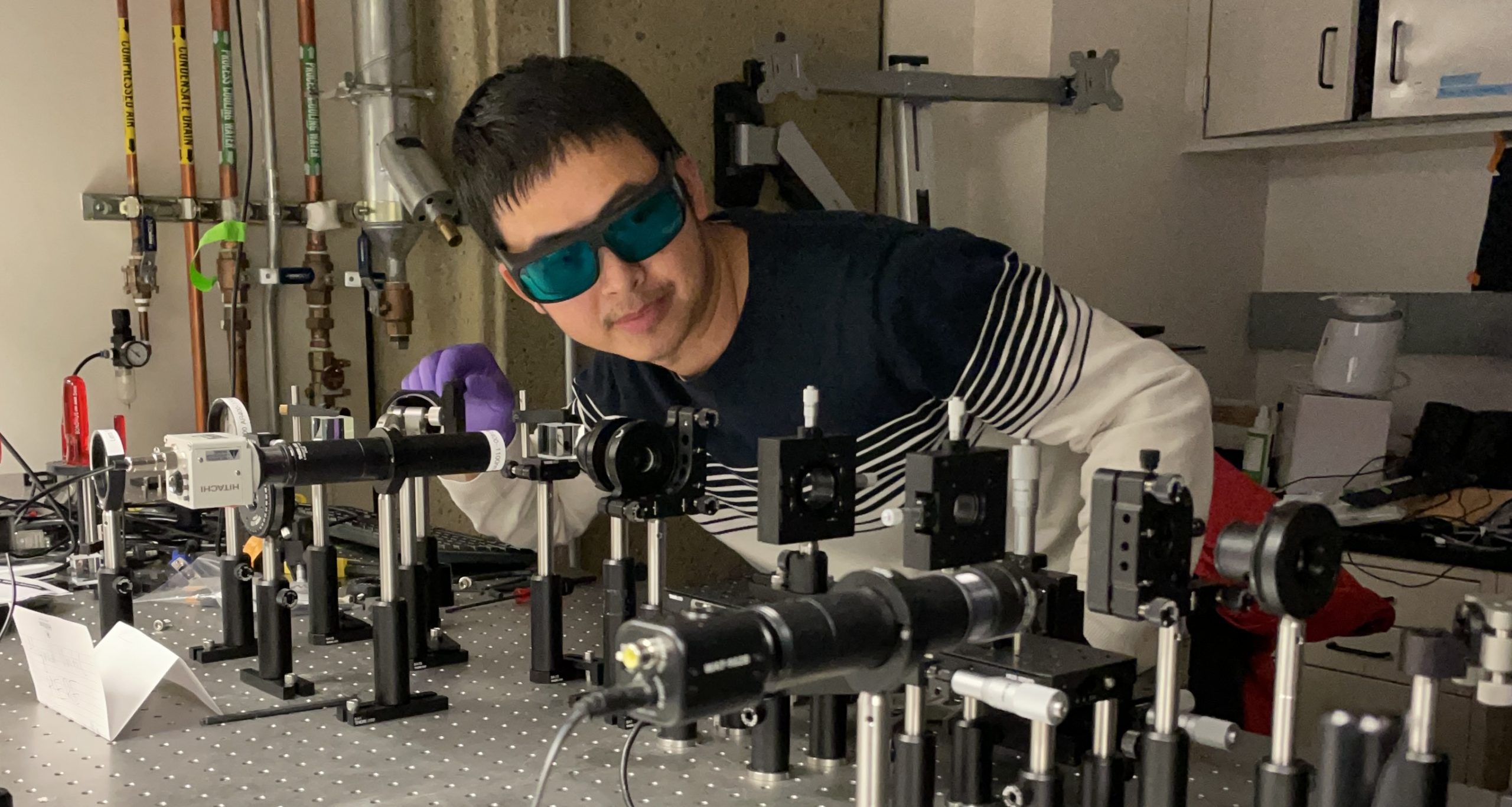
Feng Pan sculpts ultrathin materials for quantum information research
The Stanford University postdoctoral researcher develops high-tech materials to deliver photon packages of quantum information. Read More
-
Researchers take a step toward novel quantum simulators
From SLAC News: Researchers at Stanford University and SLAC National Accelerator Laboratory, including Q-NEXT's David Goldhaber-Gordon, take a step toward novel quantum simulator that could help answer questions about certain kinds of superconductors and other unusual states of matter. Read More
-
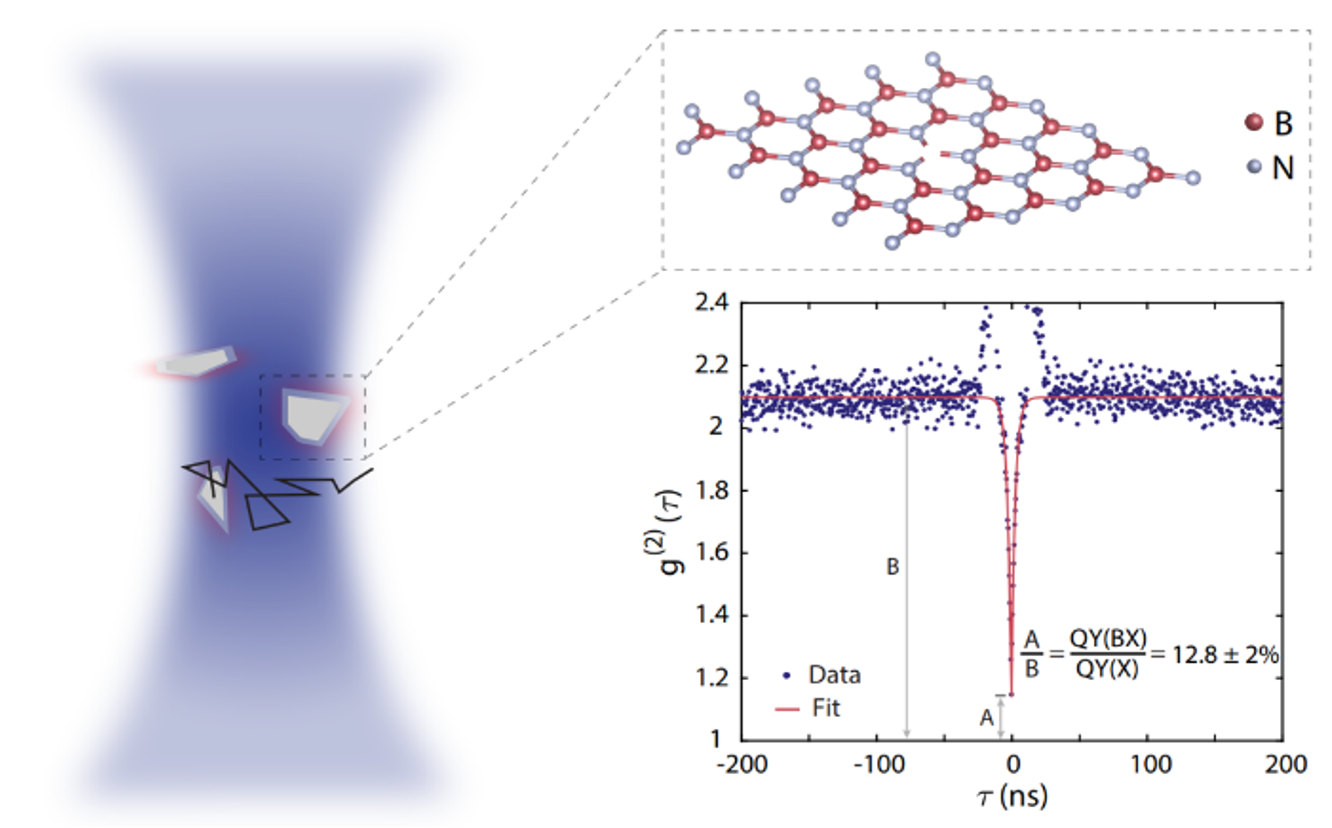
Solution phase correlation spectroscopy for ultrafast characterization of single photon emitters
A long-standing issue that limits the systematic improvement of single quantum emitters (SQEs) is the significant sample heterogeneity and consequent selection bias in choosing SQEs for characterization. To tackle this challenge, a spectroscopic method that can obtain sample-averaged performances with statistical significance is a prerequisite. Read More
-
Lloyd Rees Lecture and Geoffrey Frew Fellowship announced
The Australian Academy of Science has announced that Jelena Vuckovic of Stanford University has been awarded the 2023 Geoffrey Frew Fellowship, which is awarded to distinguished overseas scientists to participate in the Australian Spectroscopy Conferences and to visit scientific centers in Australia. Read More
-
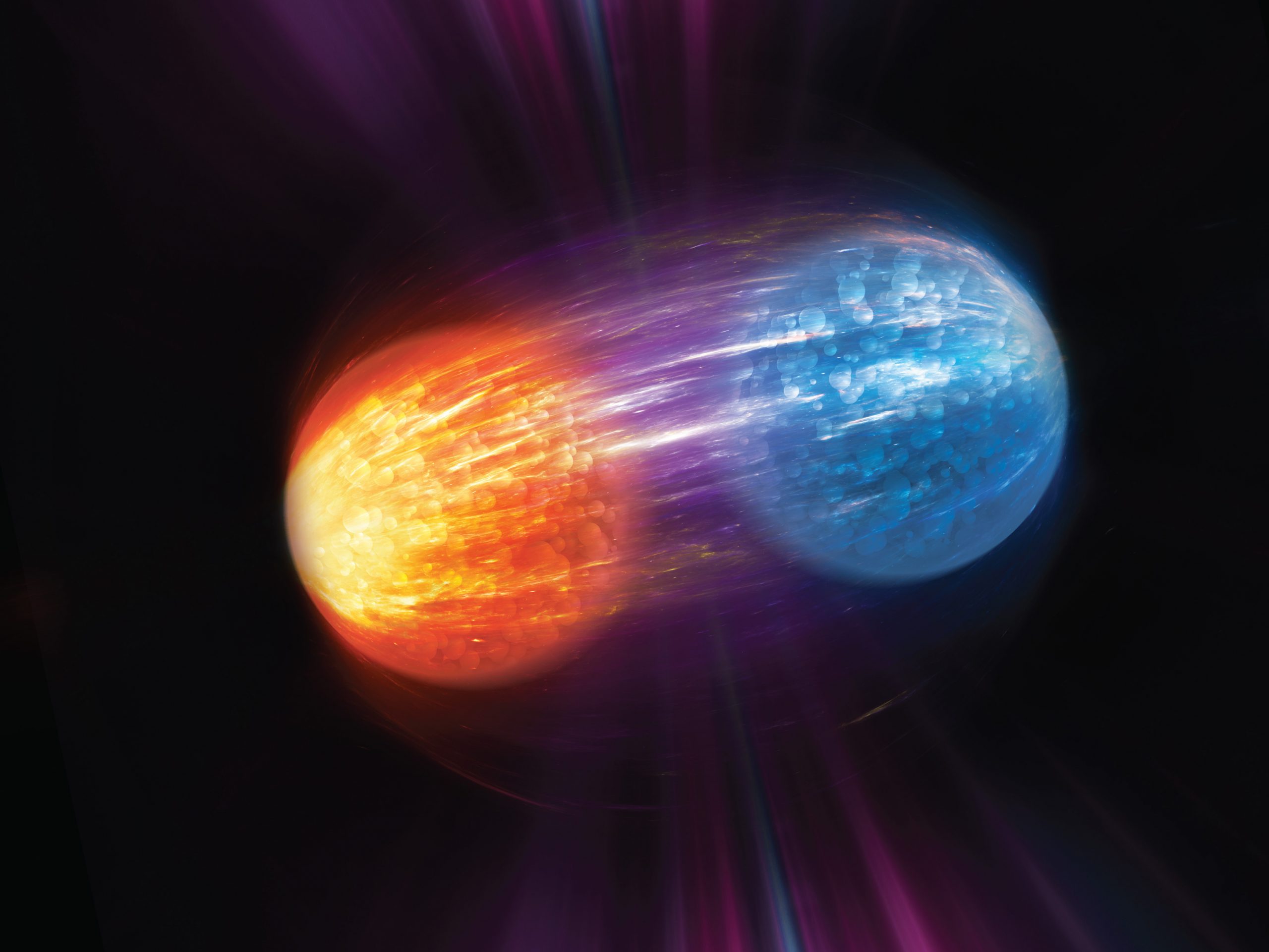
The entanglement advantage
Sensing networks achieve greater precision through quantum entanglement: Researchers show how to create quantum-entangled networks of atomic clocks and accelerometers — and they demonstrate the setup’s superior, high-precision performance. Read More
-
‘Real-world impact’: Stanford Board of Trustees learns how SLAC can change the future
From Stanford Report: Q-NEXT is an example of how Stanford University and SLAC National Accelerator Laboratory are accelerating translational science at a recent Stanford Board of Trustees meeting focused on SLAC research. Read More
In the News
See all In the News-
Uncovering the hidden disorder in silicon quantum computers
From the U.S. Department of Energy: Q-NEXT researchers map the variation in materials to the atom level to scale up silicon qubits Read More
-
Neutral atom computers: the physics of Rydberg quantum gates | Mark Saffman
From 632nm: Mark Saffman, professor at the University of Wisconsin–Madison and chief scientist at Infleqtion, discusses the physics of optical tweezers and Rydberg gates, how neutral atoms perform quantum logic and create entanglement, and why this platform offers advantages in connectivity and scalability. Read More
-
Prof. Giulia Galli appointed CNRS Fellow-Ambassador
From the University of Chicago: With the appointment, Galli joins a prestigious cohort of leading figures from the world’s scientific community. Read More
-
Tuning into quantum sounds
From Caltech: Researchers at Caltech and Stanford University, including Stanford's Amir Safavi-Naeini, create tiny vibrating devices that can naturally display quantum behavior without needing an external quantum circuit. By harnessing microscopic defects already present in the material, the team achieved single-phonon nonlinear effects that could enable simpler quantum sensors capable of detecting and studying individual molecules with extraordinary sensitivity. Read More
-
Illinois touts growing quantum workforce as state shows industry leadership
From NPR Illinois: Q-NEXT Workforce Development Lead Emily Easton discusses the growing quantum education and workforce ecosystem in Illinois. Read More