
Stanford University
-
Common crystal proves ideal for low-temperature light technology
From Stanford University: Strontium titanate’s impressive performance at extremely low temperatures positions it as a key material for advanced cryogenic devices in quantum computing and space exploration. An illustration of strontium titanate crystals at cryogenic chill. Read More
-

Spin glass for studying behavior in quantum materials
Researchers create a new kind of quantum simulator that mimics the behavior of a spin glass — a complex magnetic system where particles interact in random, competing ways — using light and ultracold atoms inside an optical cavity. Read More
-

Waveguides for hybrid quantum systems
Scientists build small lithium niobate waveguides that carry sound waves and demonstrate that they can convert electrical signals into guided sound waves very efficiently — an important step toward building hybrid quantum systems. Read More
-
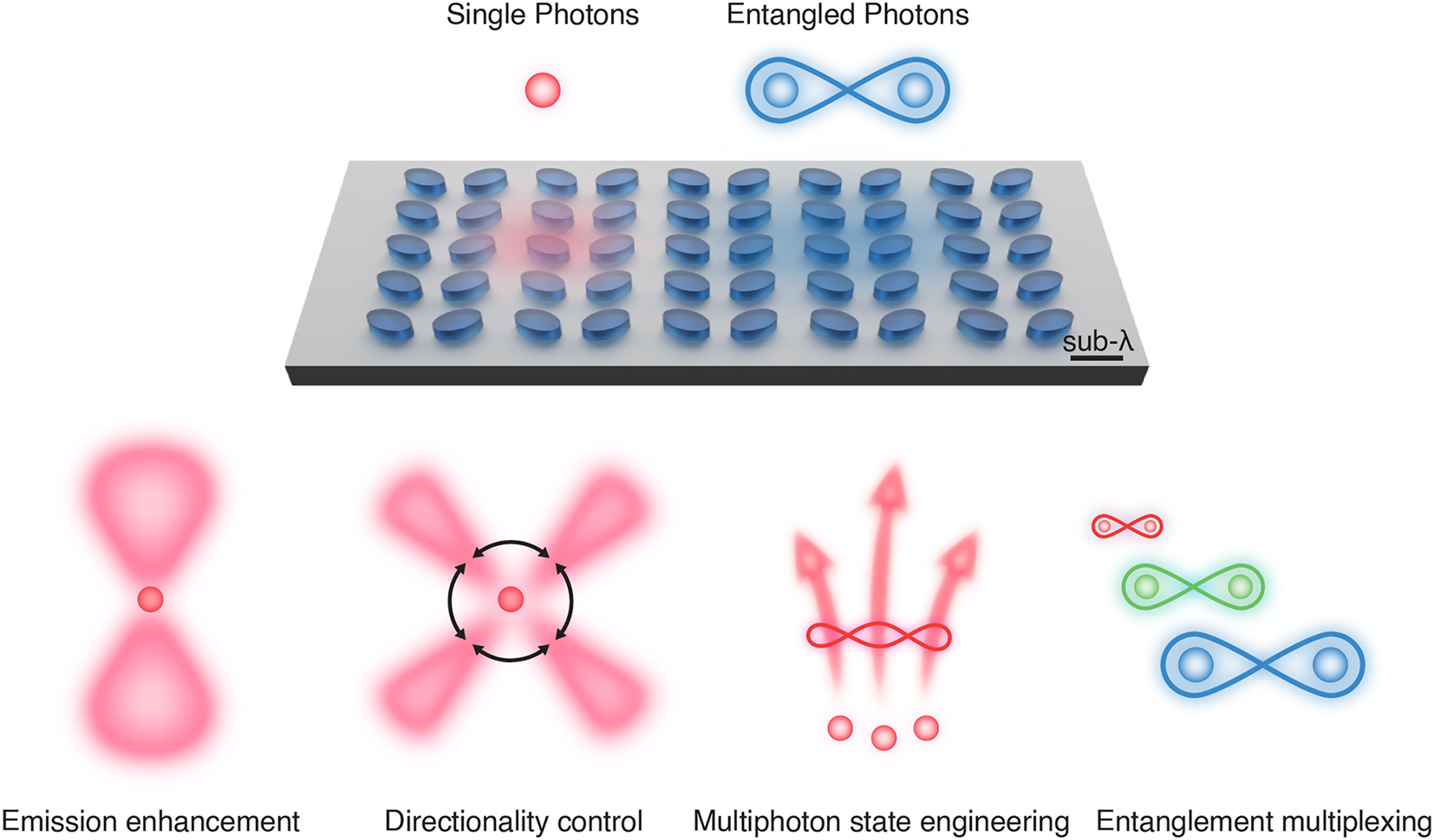
Enhanced light-matter interactions
Resonant metasurfaces enhance llight-matter interactions, making them ideal for efficient on-chip quantum light generation and manipulation. Read More
-
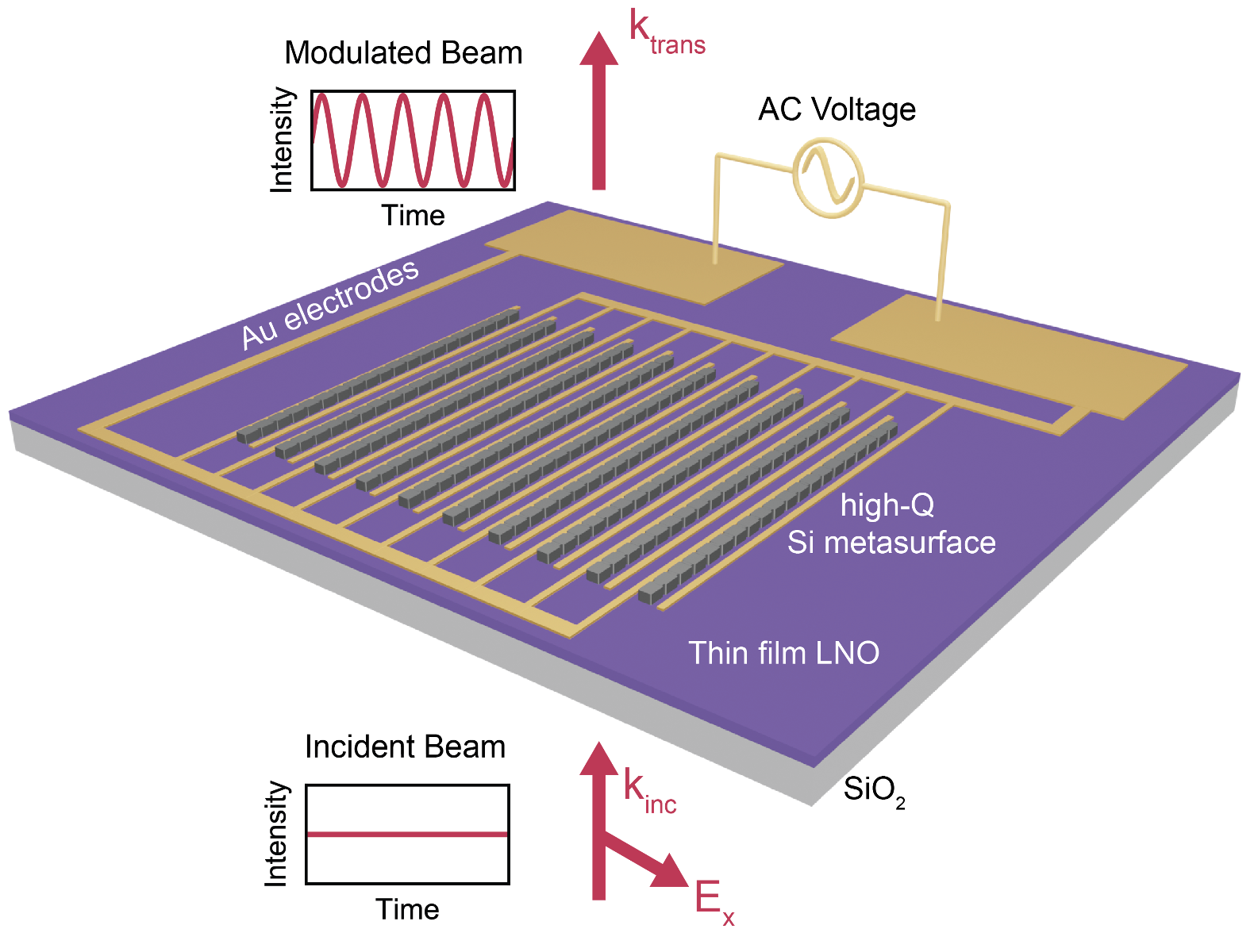
Metasurfaces for quantum communication and sensing
Scientists develop an ultrathin device — a metasurface — that controls light in ways that are important for quantum communication and sensing. The design works at telecom wavelengths, reaches speeds over 1 GHz, and can be manufactured using modern foundry-scale methods. Read More
-

Higher control over high-frequency superconducting qubits
A research team shows how to control individual photons at millimeter-wave frequencies using a special qubit. The breakthrough could open a new part of the electromagnetic spectrum for quantum technologies. Read More
-
Quantum engineering with Jelena Vučković
On the Zero Knowledge podcast, Stanford University's Jelena Vučković discusses different quantum technology platforms, how researchers are developing chip-scale quantum systems, and the implications these technologies have for communication and cryptography. Read More
-
Top universities for quantum research — 2025
From Quantum Insider: Quantum Insider's list of the top universities for quantum research in 2025 include Stanford University and University of Chicago. Read More
-
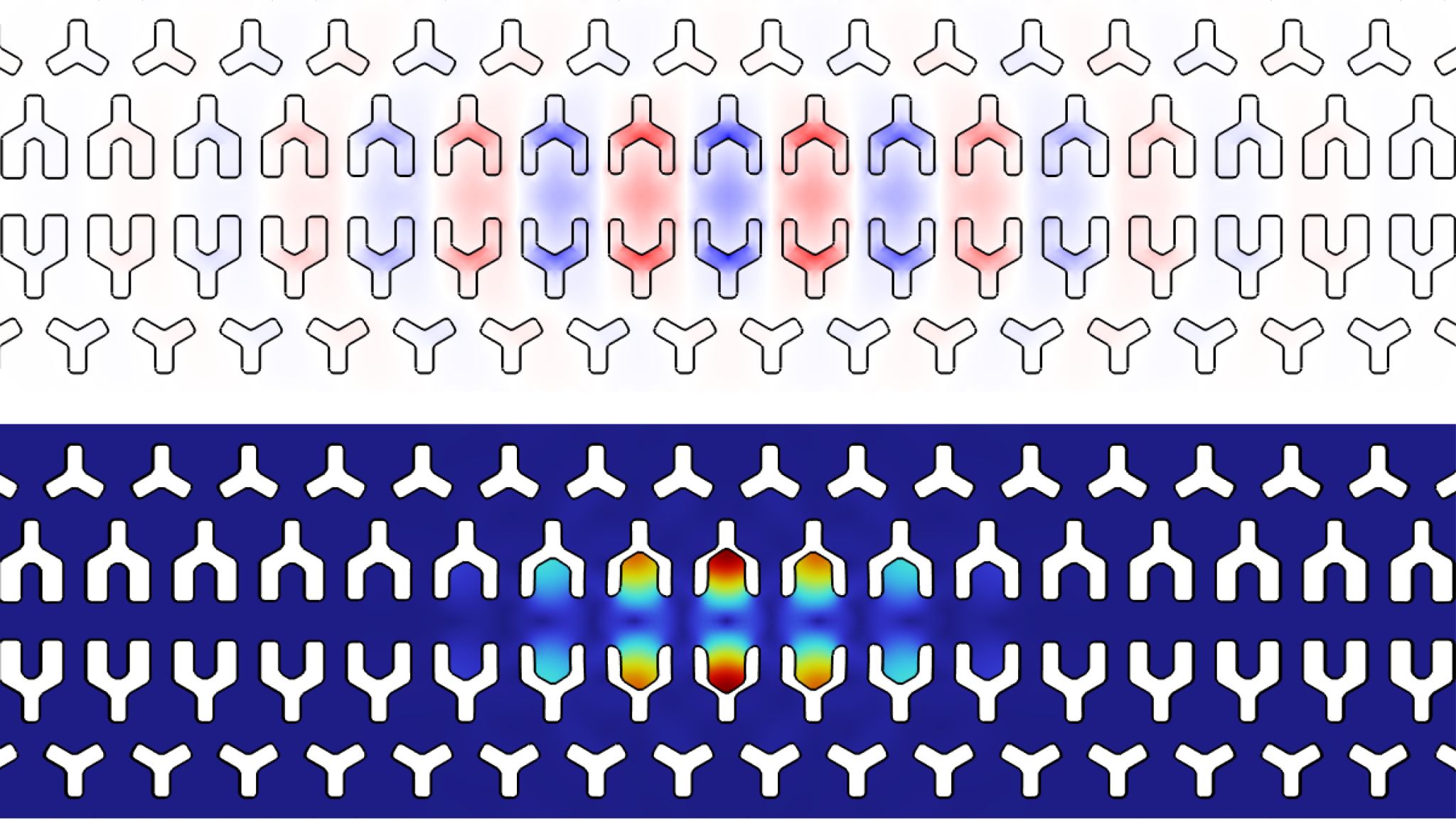
Entangling particles with optomechanical crystals
Researchers are working on devices that use light and vibrations to process quantum data. These devices tend to overheat. Researchers designed a way for these devices to remain cool while in operation. Read More
-

Scientists give big boost to signals from tin-based qubits
Stanford collaborators at the Q-NEXT quantum center amp up the signal from tin atoms embedded in diamond, opening possibilities for quantum networking. Read More
In the News
See all In the News-
Uncovering the hidden disorder in silicon quantum computers
From the U.S. Department of Energy: Q-NEXT researchers map the variation in materials to the atom level to scale up silicon qubits Read More
-
Neutral atom computers: the physics of Rydberg quantum gates | Mark Saffman
From 632nm: Mark Saffman, professor at the University of Wisconsin–Madison and chief scientist at Infleqtion, discusses the physics of optical tweezers and Rydberg gates, how neutral atoms perform quantum logic and create entanglement, and why this platform offers advantages in connectivity and scalability. Read More
-
Prof. Giulia Galli appointed CNRS Fellow-Ambassador
From the University of Chicago: With the appointment, Galli joins a prestigious cohort of leading figures from the world’s scientific community. Read More
-
Tuning into quantum sounds
From Caltech: Researchers at Caltech and Stanford University, including Stanford's Amir Safavi-Naeini, create tiny vibrating devices that can naturally display quantum behavior without needing an external quantum circuit. By harnessing microscopic defects already present in the material, the team achieved single-phonon nonlinear effects that could enable simpler quantum sensors capable of detecting and studying individual molecules with extraordinary sensitivity. Read More
-
Illinois touts growing quantum workforce as state shows industry leadership
From NPR Illinois: Q-NEXT Workforce Development Lead Emily Easton discusses the growing quantum education and workforce ecosystem in Illinois. Read More