quantum sensing
-
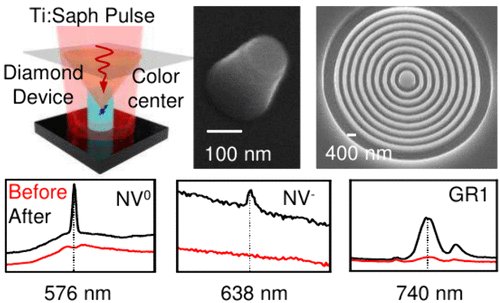
Improving laser-writing qubits in diamond
Researchers bring greater controllability to the laser writing of color centers in diamond, an important step in improving the scalability and manufacture of diamond-based quantum technologies. Read More
-
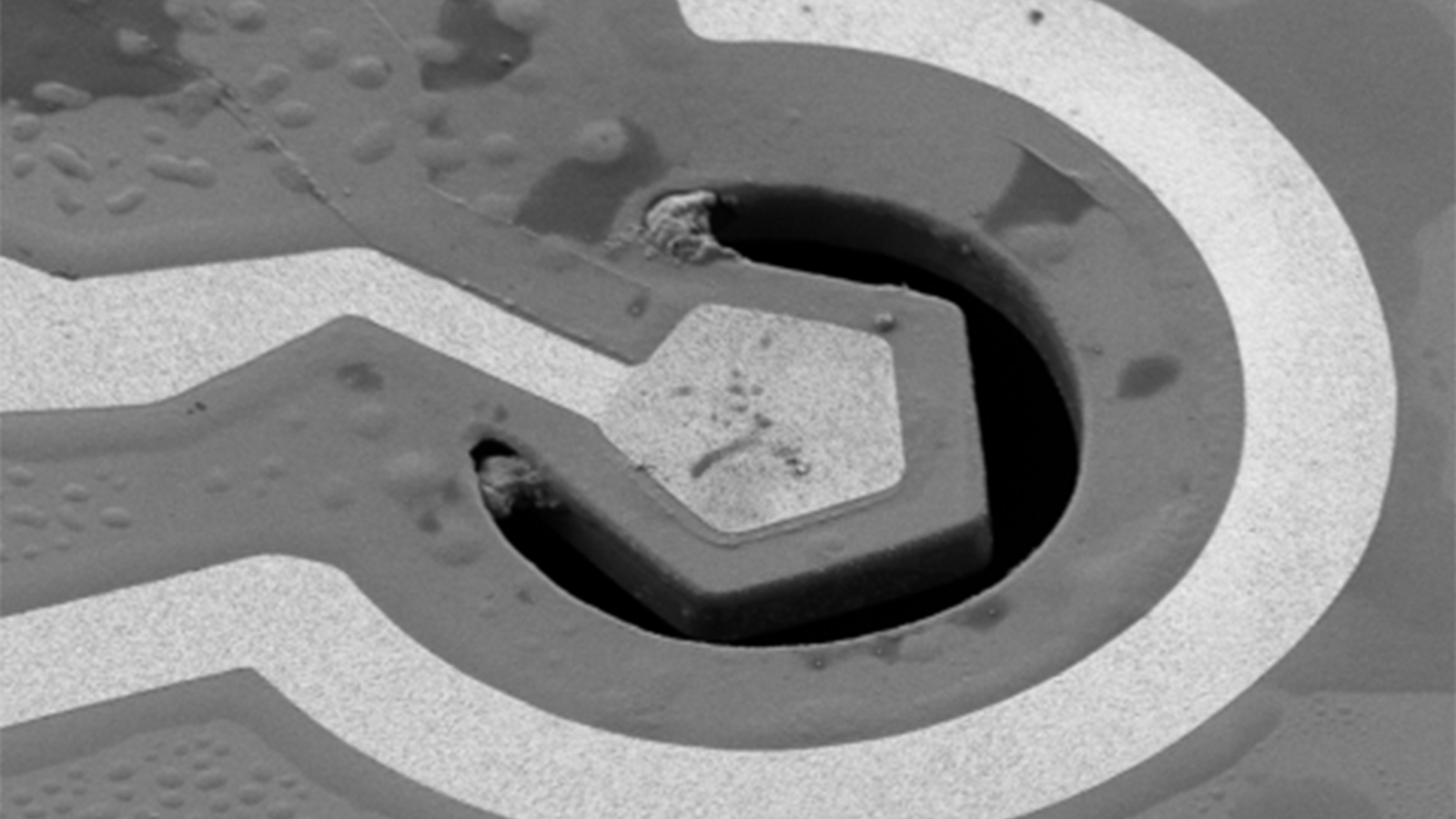
X-ray imagery of vibrating diamond opens avenues for quantum sensing
Scientists map atomic vibrations in diamond, linking them with the behavior of the quantum system embedded within. The work advances quantum sensors, which will be significantly more precise than today’s detection tools. Read More
-

Two molecular qubits for quantum sensing
Scientists explore vanadium- and molybdenum-based molecular qubits for quantum sensing applications. Read More
-
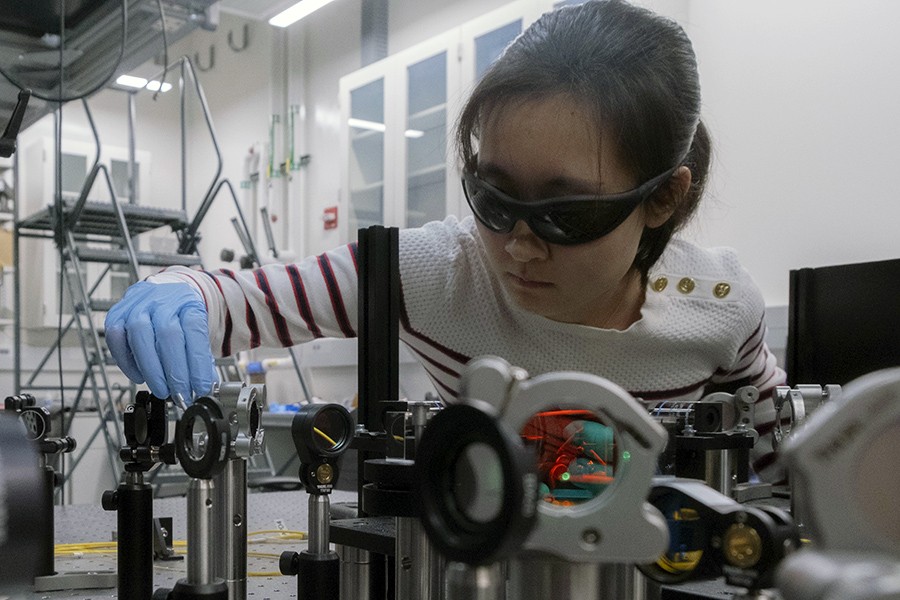
‘Quantum optical antennas’ provide more powerful measurements on the atomic level
From the University of Chicago: Researchers have never been able to tap the potentially huge intensity enhancements of some “atomic antennas” in solid materials simply because they were solids. Now, a multi-institutional team led by the University of Chicago's Alex High has cracked this problem. They have used germanium vacancy centers in diamonds to create an optical energy enhancement of six orders of magnitude, a regime challenging to reach with conventional antenna structures. Read More
-
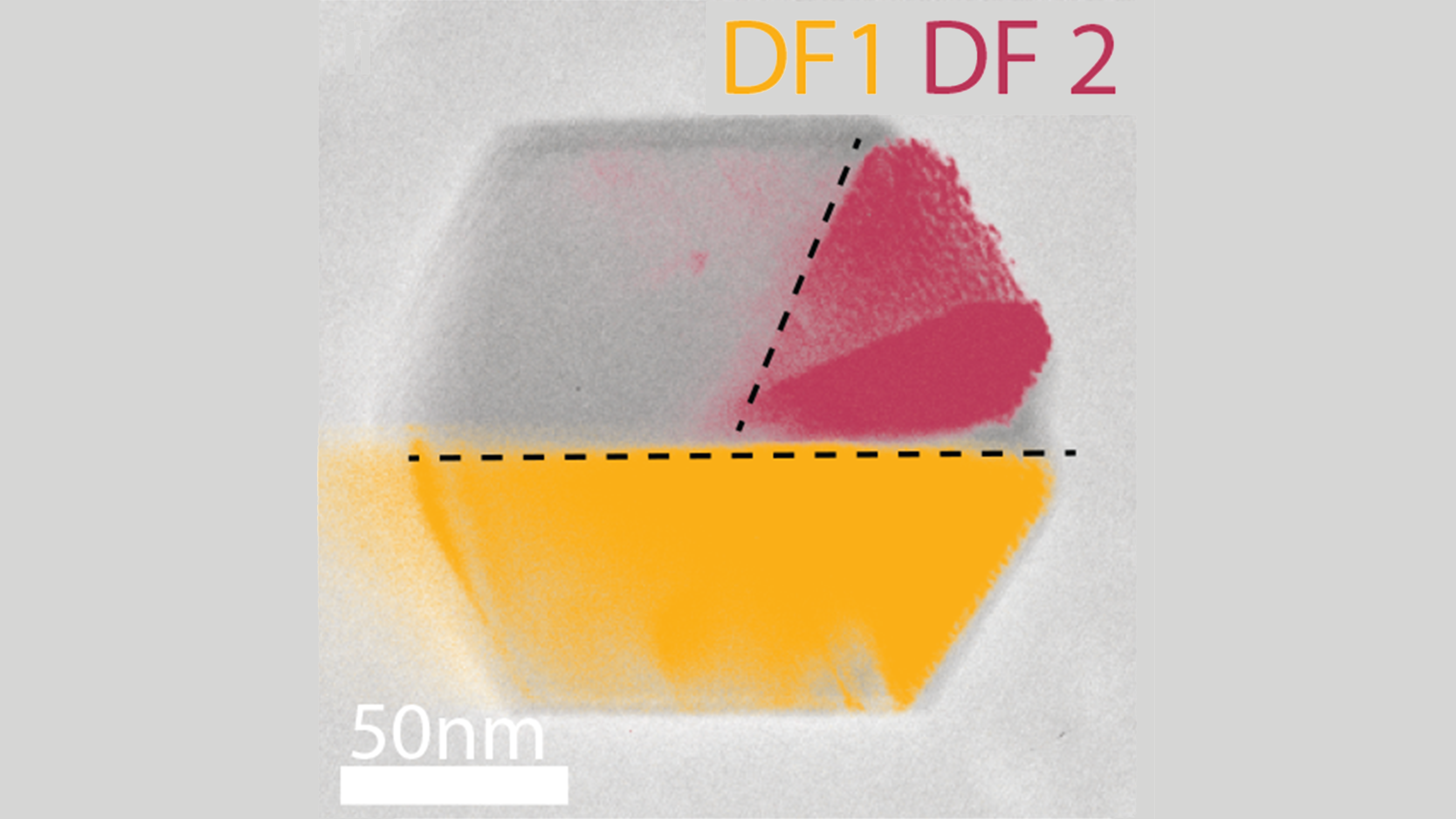
Stanford scientists bring crystal clarity to diamond’s quantum signals
In work supported by the Q-NEXT quantum center, a Stanford University group digs into diamond to find the source of its apparently temperamental nature when it comes to emitting quantum signals, widening a path for building quantum networks and sensors. Read More
-
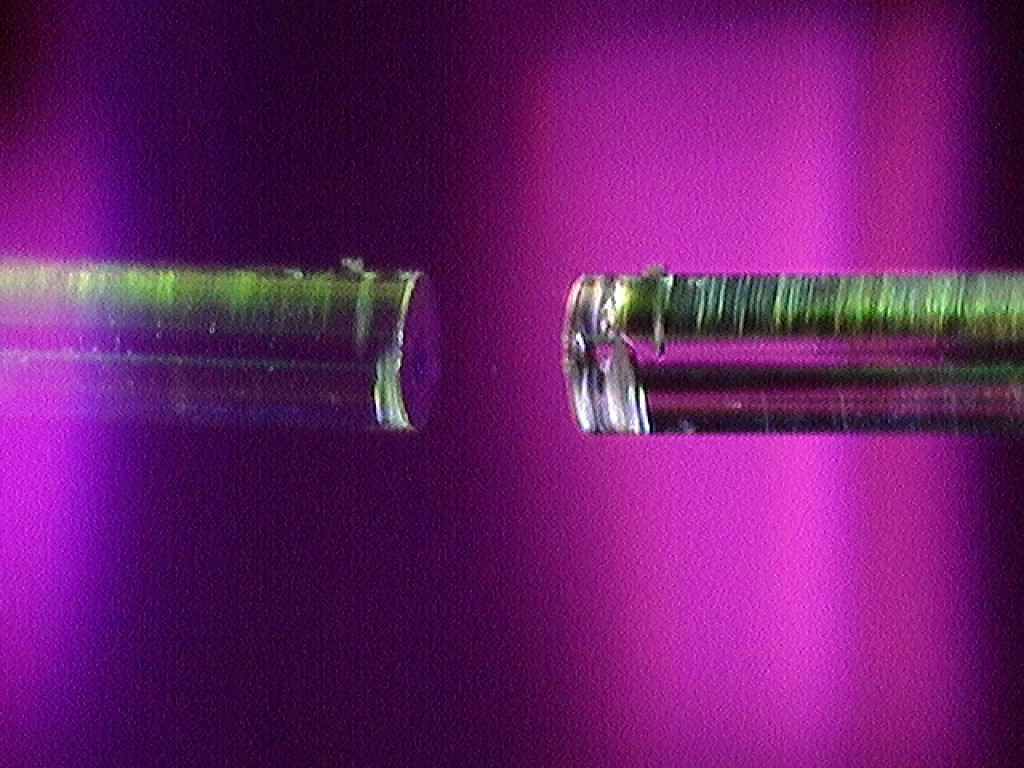
UW–Madison scientists develop most sensitive way to observe single molecules
From the University of Wisconsin–Madison: A research team at the University of Wisconsin–Madison led by Q-NEXT collaborator Randall Goldsmith has developed the most sensitive method yet for detecting and profiling a single molecule — unlocking a new tool that holds potential for better understanding how the building blocks of matter interact with each other. The new method could have implications for pursuits as varied as drug discovery and the development of advanced materials. Read More
-
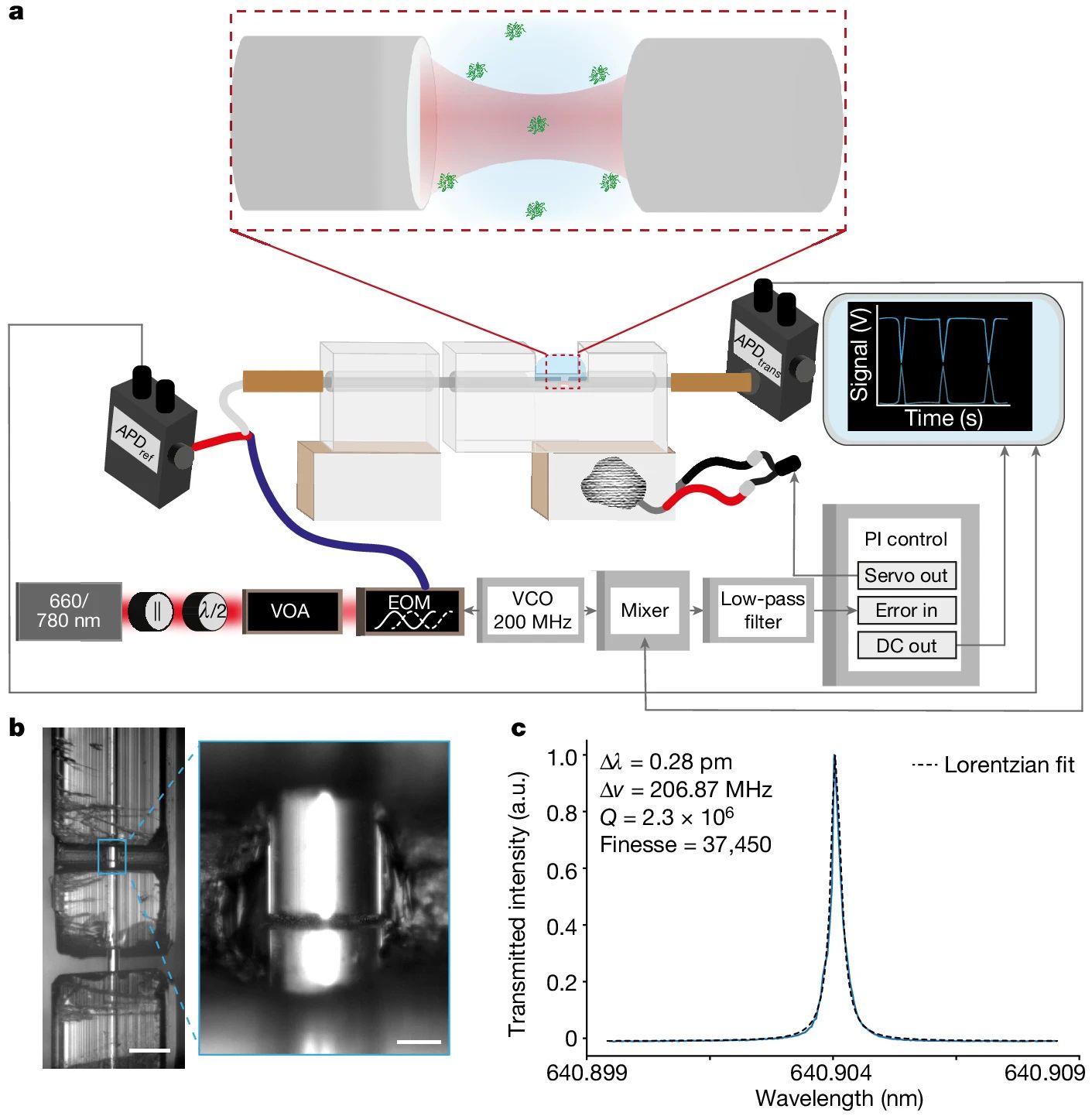
Observing individual molecules — label-free
Scientists develop a method for observing single-molecule interactions without using labels. The method could further our knowledge of molecular dynamics and advance quantum sensing. Read More
-
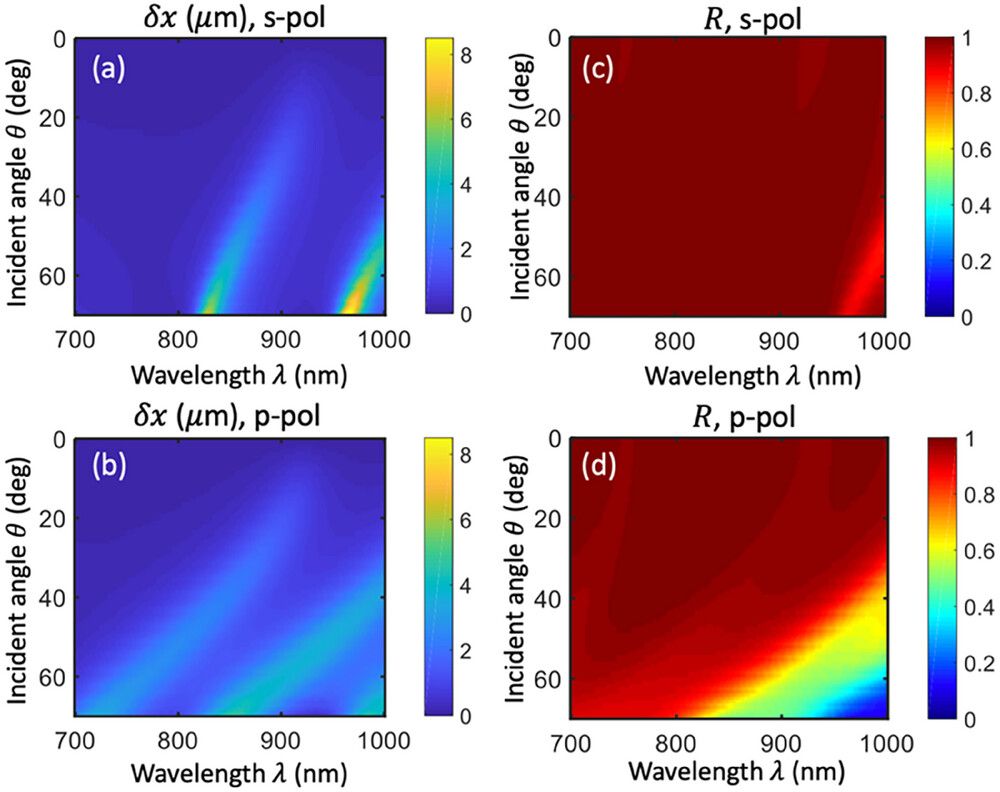
Dielectric versus metal mirrors for quantum communication and sensing
Scientists simulate and measure the effects of dielectric mirrors made of thin-film layers used in optical experiments, advancing the development of devices for quantum communication and sensing Read More
-
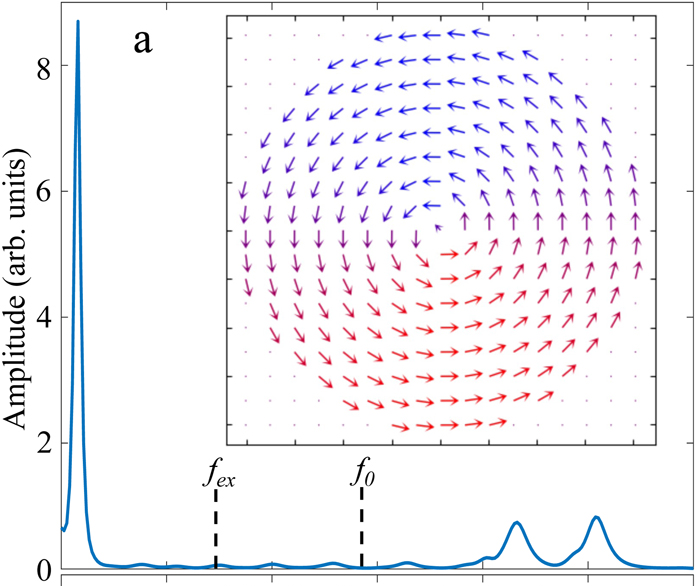
Magnon dynamics and nitrogen vacancy centers
Scientists demonstrate a connection between nanoscale magnetic waves in a vortex mode and atomic quantum sensors in diamond, opening possibilities for quantum sensing. Read More
-
Choy will use an NSF CAREER award to create quantum-based navigation systems
From the University of Wisconsin–Madison: Q-NEXT collaborator Jennifer Choy of the University of Wisconsin–Madison is using her NSF CAREER award to develop quantum sensors that could supplement or supplant GPS. Read More
-
David Awschalom wins global Breakthrough of the Year award
David Awschalom, Q-NEXT Chief Science Officer and the Liew Family Professor of Quantum Engineering and Physics at the University of Chicago, received the prestigious Falling Walls Science Breakthrough of the Year in Physical Sciences for a pioneering body of work that broke the wall between quantum technology, molecules, and proteins. Read More
-
Helium lifts new quantum computing concept
A team led by Jacob Covey, who is part of Q-NEXT and is an Associate Professor at the University of Chicago, laid out a new concept that could turn helium’s light weight into the next generation of quantum computers. The design relies on helium-3, an isotope with different quantum properties than the helium-4 used to cool MRI machines and fill party balloons. Once built, the computer could use high-powered lasers as “optical tweezers” to capture and control individual atoms of helium. Read More
-
Researchers make materials that support quantum technology
Researchers from the University of Illinois Urbana-Champaign who are part of Q-NEXT are engineering material systems that support quantum technology. Chris Anderson and his team are developing materials for quantum transduction — the conversion of quantum information from one form to another. Elizabeth Goldschmidt, Daniel Shoemaker, and colleagues are developing quantum memory technology that stores quantum information for extended periods of time. Read More
-
Silicon Chip Offers New Way to Probe Quantum Materials in Strong Magnetic Fields
Scientists have created a silicon chip that can detect the electrical behavior of very small materials by using very high-frequency waves. The chip is made only from silicon and other non-superconducting materials and still performs very well when cooled from room temperature down to about 4 Kelvin. Read More
-
Making quantum bits ready to use again much sooner
Scientists from the University of Wisconsin-Madison and Intel have found that a simple electrical pulse can quickly push a quantum dot qubit out of a latched state and return it to its starting condition with very high reliability. Read More
-
Q-NEXT-developed open-source software receives 2026 R&D 100 award
SeQUeNCe, a free, open-source software developed by Argonne scientists with Q-NEXT support, is one of seven Argonne projects that received a 2026 R&D 100 Award. The SeQUeNCe software lets researchers test how quantum networks might work before building them. Read More
-
Researchers generate spontaneous magnons that synchronize with external signals
Researchers at Argonne and the University of Illinois Urbana-Champaign demonstrate a method for generating stable ripples in magnetic materials called magnons. The work opens avenues for information processing in microelectronics and quantum devices. Read More
-
Uncovering the hidden disorder in silicon quantum computers
From the U.S. Department of Energy: Q-NEXT researchers map the variation in materials to the atom level to scale up silicon qubits Read More
-
Color centers in high-purity diamond
Researchers mapped how electron irradiation makes defects inside diamond, finding that creating more vacancies does not always produce more NV centers. Too many vacancies can form unwanted defects. This result can inform advances in quantum sensing. Read More
-
Containing multitudes: SLAC scientist collaborates to create scalable qubits
At SLAC National Accelerator Laboratory, Q-NEXT collaborator Shannon Harvey develops quantum dots — a mass-producible type of qubit. Driven by curiosity about nature and how things work, Harvey draws on her facility for working at the nanoscale. Read More