University of Chicago
-
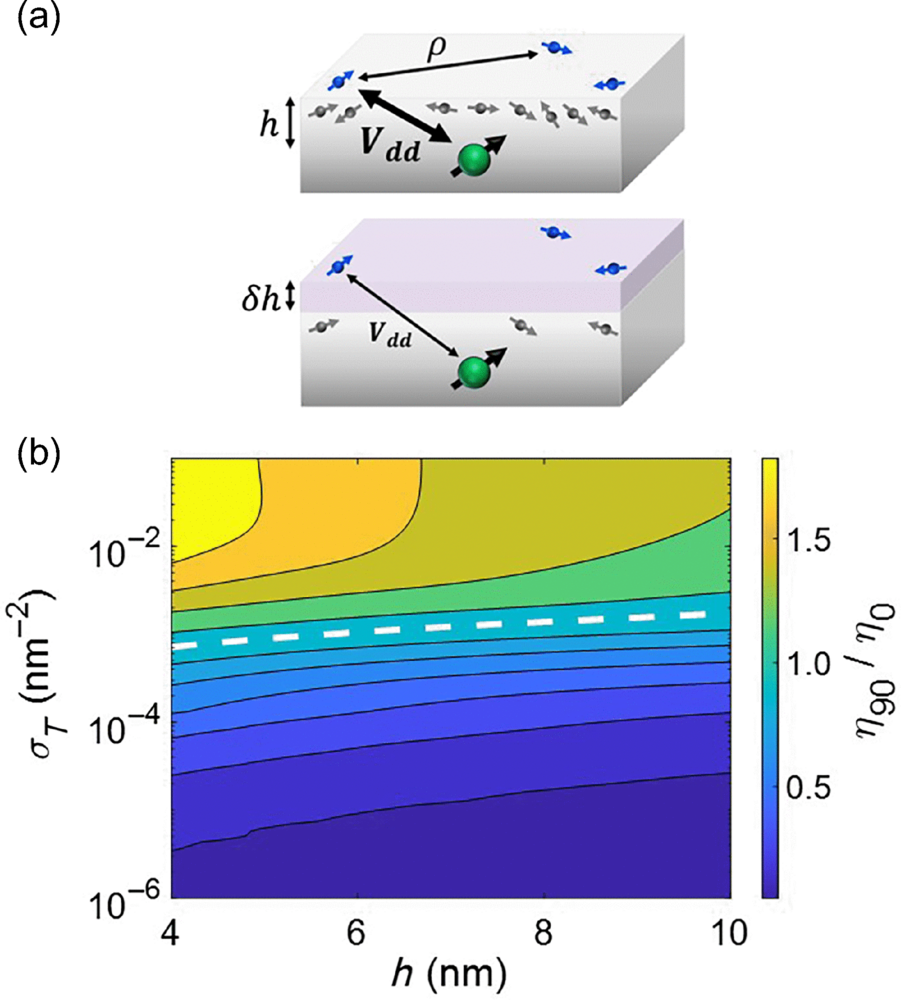
Reducing noise in diamond sensors
By coating diamond with a thin titanium oxide layer, researchers have greatly reduced magnetic noise from surface defects, improving the performance of diamond quantum sensors and potentially other quantum devices. Read More
-
Giulia Galli appointed associate editor to Reviews of Modern Physics
From the University of Chicago: Galli, a pioneer in computational physics, is the first woman to lead journal’s flagship Computation Physics "Reviews" section. Read More
-
Two UChicago PME researchers earn prestigious Sloan Fellowships
From the University of Chicago: The award recognizes Q-NEXT collaborator Peter Maurer of the University of Chicago for “outstanding promise” at the intersection of quantum engineering and biophotonics, developing new types of quantum sensors to study biological systems. Read More
-
Scientists say quantum tech has reached its transistor moment
From Science Daily: Researchers say functional quantum systems now exist, but scaling them into truly powerful machines will require major advances in engineering and manufacturing. By comparing different quantum platforms, the study reveals both impressive progress and steep challenges ahead. Read More
-
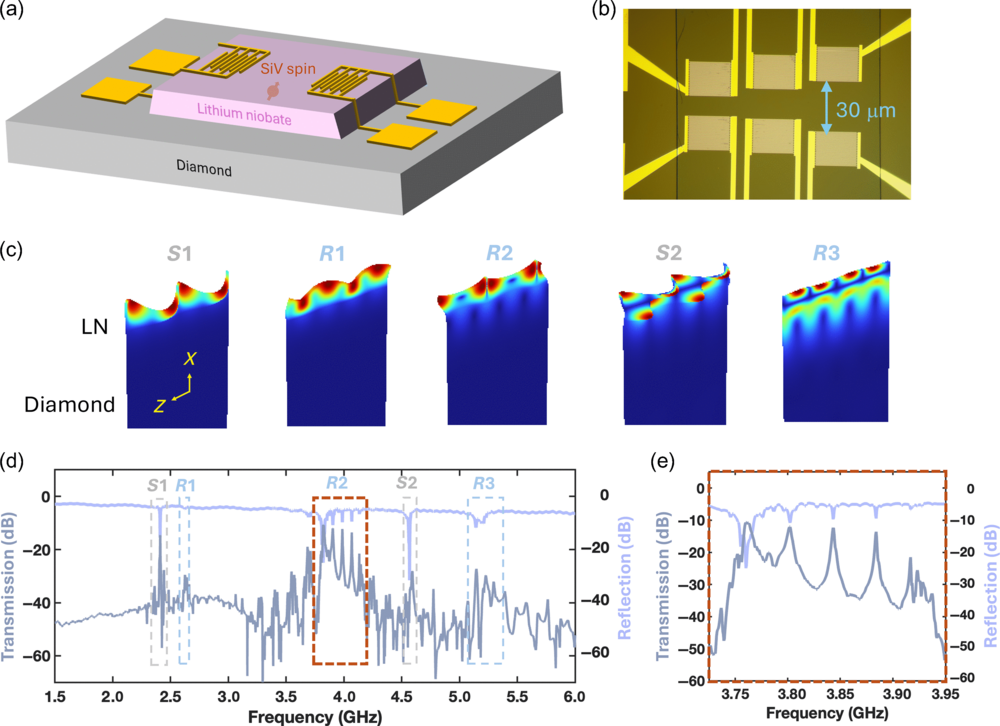
Diamond, lithium niobate and spin control
Researchers control the spin of a single silicon vacancy by combining diamond with a thin layer of lithium niobate, an important step toward phonon-based quantum technologies. Read More
-
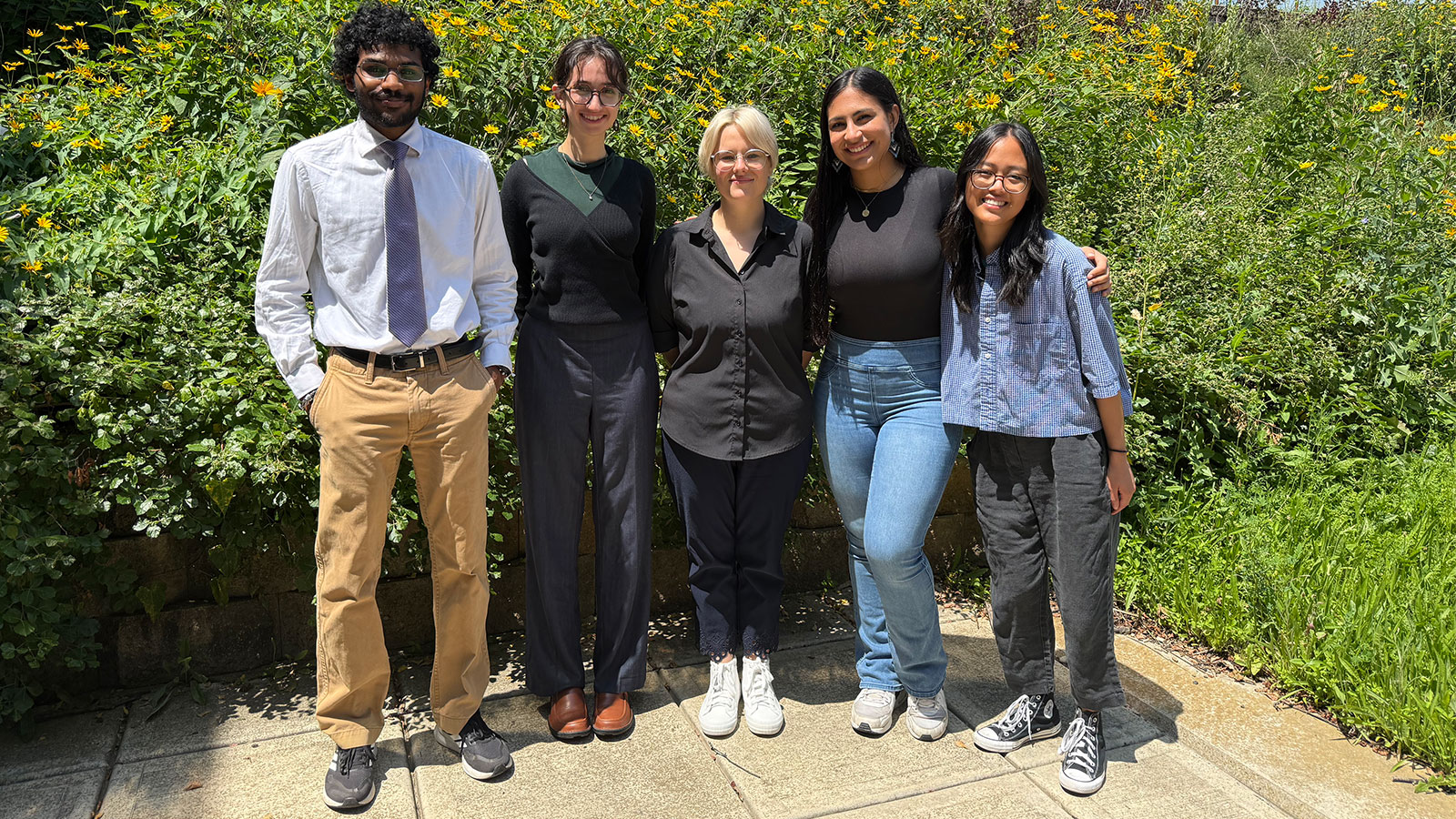
The fabulous five: Open Quantum Initiative undergraduate fellows conduct research at Argonne
Five undergraduates, countless qubits and one summer at Argonne: A summer of research ignites undergraduates’ passion for quantum information science. Read More
-
The breakthrough quantum sensor that sees inside your cells, with Peter Maurer
From the Big Brains podcast: University of Chicago's Peter Maurer talks about how he and his colleagues made the breakthrough discovery of turning a protein found in living cells into a first-of-its-kind biological qubit. He also chats about how quantum systems could be used detect diseases earlier and track how they evolve in our bodies. Read More
-
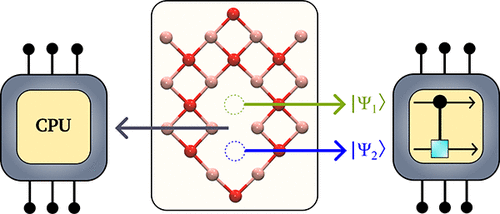
Quantum and classical computing for quantum chemistry
Accurately modeling strongly interacting electrons is hard for large molecules. Scientists show how quantum embedding methods break big systems into pieces, enabling powerful techniques on classical and quantum computers. Read More
-
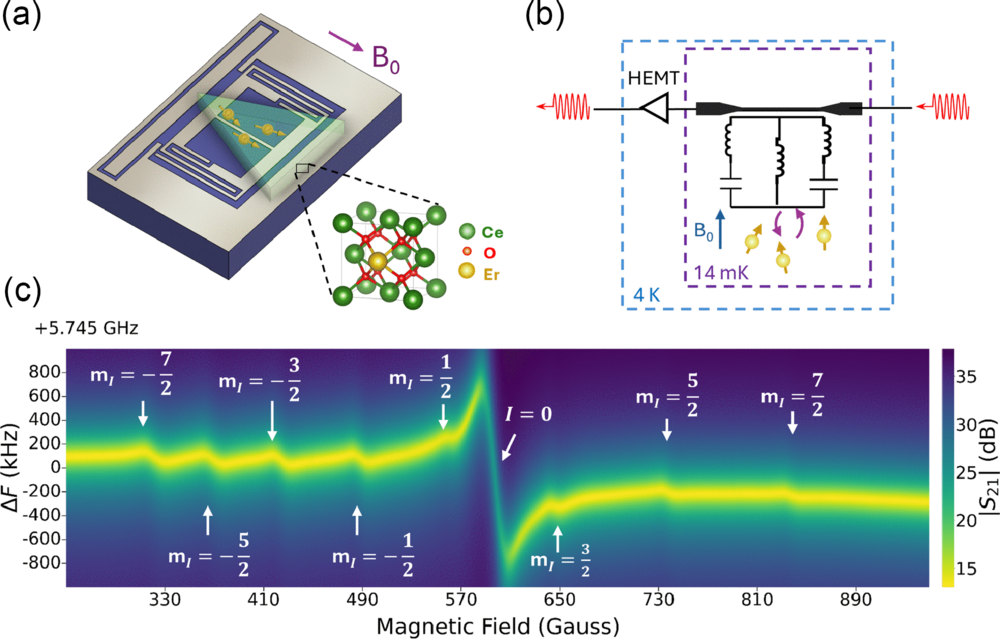
Connecting with commercial networks through erbium
Erbium ions are great for quantum networks: They emit and absorb light at telecom frequencies. Q-NEXT researchers show that erbium spins in thin films of doped cerium oxide stay coherent for tens of microseconds and even longer with special techniques. Read More
-
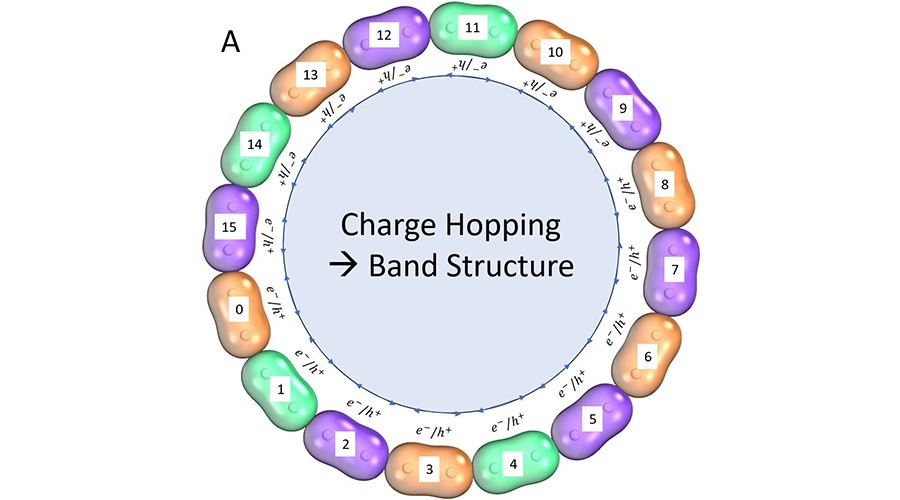
New quantum chemistry method to unlock secrets of advanced materials
A method developed by University of Chicago researchers could help explain how transport properties emerge from quantum effects in materials such as solar cells and superconductors. Read More
-
David Awschalom wins global Breakthrough of the Year award
David Awschalom, Q-NEXT Chief Science Officer and the Liew Family Professor of Quantum Engineering and Physics at the University of Chicago, received the prestigious Falling Walls Science Breakthrough of the Year in Physical Sciences for a pioneering body of work that broke the wall between quantum technology, molecules, and proteins. Read More
-
Helium lifts new quantum computing concept
A team led by Jacob Covey, who is part of Q-NEXT and is an Associate Professor at the University of Chicago, laid out a new concept that could turn helium’s light weight into the next generation of quantum computers. The design relies on helium-3, an isotope with different quantum properties than the helium-4 used to cool MRI machines and fill party balloons. Once built, the computer could use high-powered lasers as “optical tweezers” to capture and control individual atoms of helium. Read More
-
Researchers make materials that support quantum technology
Researchers from the University of Illinois Urbana-Champaign who are part of Q-NEXT are engineering material systems that support quantum technology. Chris Anderson and his team are developing materials for quantum transduction — the conversion of quantum information from one form to another. Elizabeth Goldschmidt, Daniel Shoemaker, and colleagues are developing quantum memory technology that stores quantum information for extended periods of time. Read More
-
Silicon Chip Offers New Way to Probe Quantum Materials in Strong Magnetic Fields
Scientists have created a silicon chip that can detect the electrical behavior of very small materials by using very high-frequency waves. The chip is made only from silicon and other non-superconducting materials and still performs very well when cooled from room temperature down to about 4 Kelvin. Read More
-
Making quantum bits ready to use again much sooner
Scientists from the University of Wisconsin-Madison and Intel have found that a simple electrical pulse can quickly push a quantum dot qubit out of a latched state and return it to its starting condition with very high reliability. Read More
-
Q-NEXT-developed open-source software receives 2026 R&D 100 award
SeQUeNCe, a free, open-source software developed by Argonne scientists with Q-NEXT support, is one of seven Argonne projects that received a 2026 R&D 100 Award. The SeQUeNCe software lets researchers test how quantum networks might work before building them. Read More
-
Researchers generate spontaneous magnons that synchronize with external signals
Researchers at Argonne and the University of Illinois Urbana-Champaign demonstrate a method for generating stable ripples in magnetic materials called magnons. The work opens avenues for information processing in microelectronics and quantum devices. Read More
-
Uncovering the hidden disorder in silicon quantum computers
From the U.S. Department of Energy: Q-NEXT researchers map the variation in materials to the atom level to scale up silicon qubits Read More
-
Color centers in high-purity diamond
Researchers mapped how electron irradiation makes defects inside diamond, finding that creating more vacancies does not always produce more NV centers. Too many vacancies can form unwanted defects. This result can inform advances in quantum sensing. Read More
-
Containing multitudes: SLAC scientist collaborates to create scalable qubits
At SLAC National Accelerator Laboratory, Q-NEXT collaborator Shannon Harvey develops quantum dots — a mass-producible type of qubit. Driven by curiosity about nature and how things work, Harvey draws on her facility for working at the nanoscale. Read More